ABC: A System for Sequential Synthesis and Verification
 
Loading...
Searching...
No Matches
bzlib.h File Reference
#include <stdio.h>
#include "misc/util/abc_global.h"
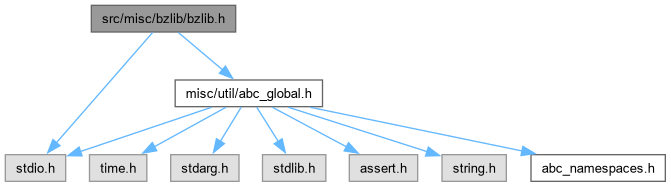
Include dependency graph for bzlib.h:
This graph shows which files directly or indirectly include this file:

Go to the source code of this file.

Classes

struct  bz_stream
 

Macros

#define ABC__misc__bzlib__bzlib_h
 
#define BZ_RUN   0
 
#define BZ_FLUSH   1
 
#define BZ_FINISH   2
 
#define BZ_OK   0
 
#define BZ_RUN_OK   1
 
#define BZ_FLUSH_OK   2
 
#define BZ_FINISH_OK   3
 
#define BZ_STREAM_END   4
 
#define BZ_SEQUENCE_ERROR   (-1)
 
#define BZ_PARAM_ERROR   (-2)
 
#define BZ_MEM_ERROR   (-3)
 
#define BZ_DATA_ERROR   (-4)
 
#define BZ_DATA_ERROR_MAGIC   (-5)
 
#define BZ_IO_ERROR   (-6)
 
#define BZ_UNEXPECTED_EOF   (-7)
 
#define BZ_OUTBUFF_FULL   (-8)
 
#define BZ_CONFIG_ERROR   (-9)
 
#define BZ_EXPORT
 
#define BZ_API(func)
 
#define BZ_EXTERN   extern
 
#define BZ_MAX_UNUSED   5000
 

Typedefs

typedef void BZFILE
 

Functions

ABC_NAMESPACE_HEADER_START BZ_EXTERN int BZ_API BZ2_bzCompressInit (bz_stream *strm, int blockSize100k, int verbosity, int workFactor)
 
BZ_EXTERN int BZ_API BZ2_bzCompress (bz_stream *strm, int action)
 
BZ_EXTERN int BZ_API BZ2_bzCompressEnd (bz_stream *strm)
 
BZ_EXTERN int BZ_API BZ2_bzDecompressInit (bz_stream *strm, int verbosity, int small)
 
BZ_EXTERN int BZ_API BZ2_bzDecompress (bz_stream *strm)
 
BZ_EXTERN int BZ_API BZ2_bzDecompressEnd (bz_stream *strm)
 
BZ_EXTERN BZFILE *BZ_API BZ2_bzReadOpen (int *bzerror, FILE *f, int verbosity, int small, void *unused, int nUnused)
 
BZ_EXTERN void BZ_API BZ2_bzReadClose (int *bzerror, BZFILE *b)
 
BZ_EXTERN void BZ_API BZ2_bzReadGetUnused (int *bzerror, BZFILE *b, void **unused, int *nUnused)
 
BZ_EXTERN int BZ_API BZ2_bzRead (int *bzerror, BZFILE *b, void *buf, int len)
 
BZ_EXTERN BZFILE *BZ_API BZ2_bzWriteOpen (int *bzerror, FILE *f, int blockSize100k, int verbosity, int workFactor)
 
BZ_EXTERN void BZ_API BZ2_bzWrite (int *bzerror, BZFILE *b, void *buf, int len)
 
BZ_EXTERN void BZ_API BZ2_bzWriteClose (int *bzerror, BZFILE *b, int abandon, unsigned int *nbytes_in, unsigned int *nbytes_out)
 
BZ_EXTERN void BZ_API BZ2_bzWriteClose64 (int *bzerror, BZFILE *b, int abandon, unsigned int *nbytes_in_lo32, unsigned int *nbytes_in_hi32, unsigned int *nbytes_out_lo32, unsigned int *nbytes_out_hi32)
 
BZ_EXTERN int BZ_API BZ2_bzBuffToBuffCompress (char *dest, unsigned int *destLen, char *source, unsigned int sourceLen, int blockSize100k, int verbosity, int workFactor)
 
BZ_EXTERN int BZ_API BZ2_bzBuffToBuffDecompress (char *dest, unsigned int *destLen, char *source, unsigned int sourceLen, int small, int verbosity)
 
BZ_EXTERN const char *BZ_API BZ2_bzlibVersion (void)
 
BZ_EXTERN BZFILE *BZ_API BZ2_bzopen (const char *path, const char *mode)
 
BZ_EXTERN BZFILE *BZ_API BZ2_bzdopen (int fd, const char *mode)
 
BZ_EXTERN int BZ_API BZ2_bzread (BZFILE *b, void *buf, int len)
 
BZ_EXTERN int BZ_API BZ2_bzwrite (BZFILE *b, void *buf, int len)
 
BZ_EXTERN int BZ_API BZ2_bzflush (BZFILE *b)
 
BZ_EXTERN void BZ_API BZ2_bzclose (BZFILE *b)
 
BZ_EXTERN const char *BZ_API BZ2_bzerror (BZFILE *b, int *errnum)
 

Macro Definition Documentation

◆ ABC__misc__bzlib__bzlib_h

#define ABC__misc__bzlib__bzlib_h

Definition at line 28 of file bzlib.h.

◆ BZ_API

#define BZ_API ( func)
Value:
func

Definition at line 94 of file bzlib.h.

◆ BZ_CONFIG_ERROR

#define BZ_CONFIG_ERROR   (-9)

Definition at line 47 of file bzlib.h.

◆ BZ_DATA_ERROR

#define BZ_DATA_ERROR   (-4)

Definition at line 42 of file bzlib.h.

◆ BZ_DATA_ERROR_MAGIC

#define BZ_DATA_ERROR_MAGIC   (-5)

Definition at line 43 of file bzlib.h.

◆ BZ_EXPORT

#define BZ_EXPORT

Definition at line 71 of file bzlib.h.

◆ BZ_EXTERN

#define BZ_EXTERN   extern

Definition at line 95 of file bzlib.h.

◆ BZ_FINISH

#define BZ_FINISH   2

Definition at line 32 of file bzlib.h.

◆ BZ_FINISH_OK

#define BZ_FINISH_OK   3

Definition at line 37 of file bzlib.h.

◆ BZ_FLUSH

#define BZ_FLUSH   1

Definition at line 31 of file bzlib.h.

◆ BZ_FLUSH_OK

#define BZ_FLUSH_OK   2

Definition at line 36 of file bzlib.h.

◆ BZ_IO_ERROR

#define BZ_IO_ERROR   (-6)

Definition at line 44 of file bzlib.h.

◆ BZ_MAX_UNUSED

#define BZ_MAX_UNUSED   5000

Definition at line 140 of file bzlib.h.

◆ BZ_MEM_ERROR

#define BZ_MEM_ERROR   (-3)

Definition at line 41 of file bzlib.h.

◆ BZ_OK

#define BZ_OK   0

Definition at line 34 of file bzlib.h.

◆ BZ_OUTBUFF_FULL

#define BZ_OUTBUFF_FULL   (-8)

Definition at line 46 of file bzlib.h.

◆ BZ_PARAM_ERROR

#define BZ_PARAM_ERROR   (-2)

Definition at line 40 of file bzlib.h.

◆ BZ_RUN

#define BZ_RUN   0

Definition at line 30 of file bzlib.h.

◆ BZ_RUN_OK

#define BZ_RUN_OK   1

Definition at line 35 of file bzlib.h.

◆ BZ_SEQUENCE_ERROR

#define BZ_SEQUENCE_ERROR   (-1)

Definition at line 39 of file bzlib.h.

◆ BZ_STREAM_END

#define BZ_STREAM_END   4

Definition at line 38 of file bzlib.h.

◆ BZ_UNEXPECTED_EOF

#define BZ_UNEXPECTED_EOF   (-7)

Definition at line 45 of file bzlib.h.

Typedef Documentation

◆ BZFILE

typedef void BZFILE

Definition at line 142 of file bzlib.h.

Function Documentation

◆ BZ2_bzBuffToBuffCompress()

BZ_EXTERN int BZ_API BZ2_bzBuffToBuffCompress ( char * dest,
unsigned int * destLen,
char * source,
unsigned int sourceLen,
int blockSize100k,
int verbosity,
int workFactor )

Definition at line 1258 of file bzlib.c.
1266{
1267 bz_stream strm;
1268 int ret;
1269
1270 if (dest == NULL || destLen == NULL ||
1271 source == NULL ||
1272 blockSize100k < 1 || blockSize100k > 9 ||
1273 verbosity < 0 || verbosity > 4 ||
1274 workFactor < 0 || workFactor > 250)
1275 return BZ_PARAM_ERROR;
1276
1277 if (workFactor == 0) workFactor = 30;
1278 strm.bzalloc = NULL;
1279 strm.bzfree = NULL;
1280 strm.opaque = NULL;
1281 ret = BZ2_bzCompressInit ( &strm, blockSize100k,
1282 verbosity, workFactor );
1283 if (ret != BZ_OK) return ret;
1284
1285 strm.next_in = source;
1286 strm.next_out = dest;
1287 strm.avail_in = sourceLen;
1288 strm.avail_out = *destLen;
1289
1290 ret = BZ2_bzCompress ( &strm, BZ_FINISH );
1291 if (ret == BZ_FINISH_OK) goto output_overflow;
1292 if (ret != BZ_STREAM_END) goto errhandler;
1293
1294 /* normal termination */
1295 *destLen -= strm.avail_out;
1296 BZ2_bzCompressEnd ( &strm );
1297 return BZ_OK;
1298
1299 output_overflow:
1300 BZ2_bzCompressEnd ( &strm );
1301 return BZ_OUTBUFF_FULL;
1302
1303 errhandler:
1304 BZ2_bzCompressEnd ( &strm );
1305 return ret;
1306}
int BZ_API BZ2_bzCompressInit(bz_stream *strm, int blockSize100k, int verbosity, int workFactor)
Definition bzlib.c:160
int BZ_API BZ2_bzCompressEnd(bz_stream *strm)
Definition bzlib.c:479
int BZ_API BZ2_bzCompress(bz_stream *strm, int action)
Definition bzlib.c:418
#define BZ_OUTBUFF_FULL
Definition bzlib.h:46
#define BZ_FINISH_OK
Definition bzlib.h:37
#define BZ_PARAM_ERROR
Definition bzlib.h:40
#define BZ_OK
Definition bzlib.h:34
#define BZ_FINISH
Definition bzlib.h:32
#define BZ_STREAM_END
Definition bzlib.h:38
void(* bzfree)(void *, void *)
Definition bzlib.h:64
unsigned int avail_in
Definition bzlib.h:52
unsigned int avail_out
Definition bzlib.h:57
void *(* bzalloc)(void *, int, int)
Definition bzlib.h:63
void * opaque
Definition bzlib.h:65
char * next_in
Definition bzlib.h:51
char * next_out
Definition bzlib.h:56
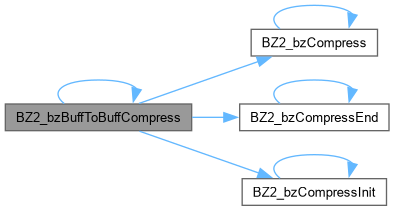
Here is the call graph for this function:
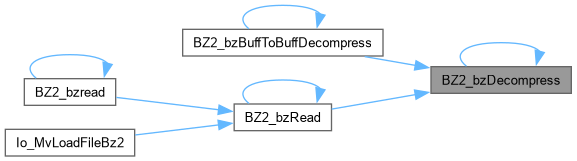
Here is the caller graph for this function:

◆ BZ2_bzBuffToBuffDecompress()

BZ_EXTERN int BZ_API BZ2_bzBuffToBuffDecompress ( char * dest,
unsigned int * destLen,
char * source,
unsigned int sourceLen,
int small,
int verbosity )

Definition at line 1310 of file bzlib.c.
1317{
1318 bz_stream strm;
1319 int ret;
1320
1321 if (dest == NULL || destLen == NULL ||
1322 source == NULL ||
1323 (small != 0 && small != 1) ||
1324 verbosity < 0 || verbosity > 4)
1325 return BZ_PARAM_ERROR;
1326
1327 strm.bzalloc = NULL;
1328 strm.bzfree = NULL;
1329 strm.opaque = NULL;
1330 ret = BZ2_bzDecompressInit ( &strm, verbosity, small );
1331 if (ret != BZ_OK) return ret;
1332
1333 strm.next_in = source;
1334 strm.next_out = dest;
1335 strm.avail_in = sourceLen;
1336 strm.avail_out = *destLen;
1337
1338 ret = BZ2_bzDecompress ( &strm );
1339 if (ret == BZ_OK) goto output_overflow_or_eof;
1340 if (ret != BZ_STREAM_END) goto errhandler;
1341
1342 /* normal termination */
1343 *destLen -= strm.avail_out;
1344 BZ2_bzDecompressEnd ( &strm );
1345 return BZ_OK;
1346
1347 output_overflow_or_eof:
1348 if (strm.avail_out > 0) {
1349 BZ2_bzDecompressEnd ( &strm );
1350 return BZ_UNEXPECTED_EOF;
1351 } else {
1352 BZ2_bzDecompressEnd ( &strm );
1353 return BZ_OUTBUFF_FULL;
1354 };
1355
1356 errhandler:
1357 BZ2_bzDecompressEnd ( &strm );
1358 return ret;
1359}
int BZ_API BZ2_bzDecompressInit(bz_stream *strm, int verbosity, int small)
Definition bzlib.c:504
int BZ_API BZ2_bzDecompress(bz_stream *strm)
Definition bzlib.c:819
int BZ_API BZ2_bzDecompressEnd(bz_stream *strm)
Definition bzlib.c:873
#define BZ_UNEXPECTED_EOF
Definition bzlib.h:45
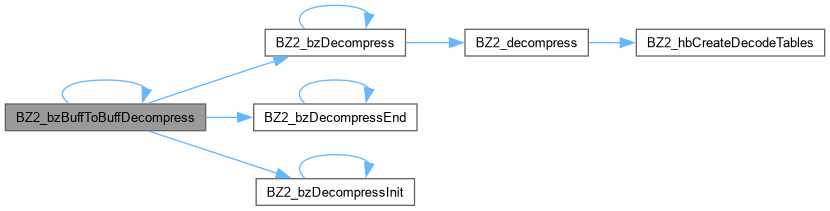
Here is the call graph for this function:
Here is the caller graph for this function:

◆ BZ2_bzclose()

BZ_EXTERN void BZ_API BZ2_bzclose ( BZFILE * b)

Definition at line 1525 of file bzlib.c.
1526{
1527 int bzerr;
1528 FILE *fp;
1529
1530 if (b==NULL) {return;}
1531 fp = ((bzFile *)b)->handle;
1532 if(((bzFile*)b)->writing){
1533 BZ2_bzWriteClose(&bzerr,b,0,NULL,NULL);
1534 if(bzerr != BZ_OK){
1535 BZ2_bzWriteClose(NULL,b,1,NULL,NULL);
1536 }
1537 }else{
1538 BZ2_bzReadClose(&bzerr,b);
1539 }
1540 if(fp!=stdin && fp!=stdout){
1541 fclose(fp);
1542 }
1543}
void BZ_API BZ2_bzReadClose(int *bzerror, BZFILE *b)
Definition bzlib.c:1154
void BZ_API BZ2_bzWriteClose(int *bzerror, BZFILE *b, int abandon, unsigned int *nbytes_in, unsigned int *nbytes_out)
Definition bzlib.c:1021
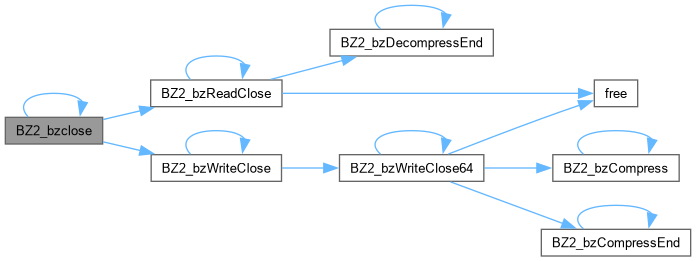
Here is the call graph for this function:
Here is the caller graph for this function:

◆ BZ2_bzCompress()

BZ_EXTERN int BZ_API BZ2_bzCompress ( bz_stream * strm,
int action )

Definition at line 418 of file bzlib.c.
419{
420 Bool progress;
421 EState* s;
422 if (strm == NULL) return BZ_PARAM_ERROR;
423 s = (EState *)strm->state;
424 if (s == NULL) return BZ_PARAM_ERROR;
425 if (s->strm != strm) return BZ_PARAM_ERROR;
426
427 preswitch:
428 switch (s->mode) {
429
430 case BZ_M_IDLE:
431 return BZ_SEQUENCE_ERROR;
432
433 case BZ_M_RUNNING:
434 if (action == BZ_RUN) {
435 progress = handle_compress ( strm );
436 return progress ? BZ_RUN_OK : BZ_PARAM_ERROR;
437 }
438 else
439 if (action == BZ_FLUSH) {
440 s->avail_in_expect = strm->avail_in;
441 s->mode = BZ_M_FLUSHING;
442 goto preswitch;
443 }
444 else
445 if (action == BZ_FINISH) {
446 s->avail_in_expect = strm->avail_in;
447 s->mode = BZ_M_FINISHING;
448 goto preswitch;
449 }
450 else
451 return BZ_PARAM_ERROR;
452
453 case BZ_M_FLUSHING:
454 if (action != BZ_FLUSH) return BZ_SEQUENCE_ERROR;
455 if (s->avail_in_expect != s->strm->avail_in)
456 return BZ_SEQUENCE_ERROR;
457 progress = handle_compress ( strm );
458 if (s->avail_in_expect > 0 || !isempty_RL(s) ||
459 s->state_out_pos < s->numZ) return BZ_FLUSH_OK;
460 s->mode = BZ_M_RUNNING;
461 return BZ_RUN_OK;
462
463 case BZ_M_FINISHING:
464 if (action != BZ_FINISH) return BZ_SEQUENCE_ERROR;
465 if (s->avail_in_expect != s->strm->avail_in)
466 return BZ_SEQUENCE_ERROR;
467 progress = handle_compress ( strm );
468 if (!progress) return BZ_SEQUENCE_ERROR;
469 if (s->avail_in_expect > 0 || !isempty_RL(s) ||
470 s->state_out_pos < s->numZ) return BZ_FINISH_OK;
471 s->mode = BZ_M_IDLE;
472 return BZ_STREAM_END;
473 }
474 return BZ_OK; /*--not reached--*/
475}
#define BZ_RUN_OK
Definition bzlib.h:35
#define BZ_SEQUENCE_ERROR
Definition bzlib.h:39
#define BZ_FLUSH_OK
Definition bzlib.h:36
#define BZ_RUN
Definition bzlib.h:30
#define BZ_FLUSH
Definition bzlib.h:31
#define BZ_M_RUNNING
unsigned char Bool
#define BZ_M_FINISHING
#define BZ_M_IDLE
#define BZ_M_FLUSHING
UInt32 avail_in_expect
bz_stream * strm
Int32 numZ
Int32 state_out_pos
Int32 mode
void * state
Definition bzlib.h:61
Here is the call graph for this function:
Here is the caller graph for this function:

◆ BZ2_bzCompressEnd()

BZ_EXTERN int BZ_API BZ2_bzCompressEnd ( bz_stream * strm)

Definition at line 479 of file bzlib.c.

480{
481 EState* s;
482 if (strm == NULL) return BZ_PARAM_ERROR;
483 s = (EState *)strm->state;
484 if (s == NULL) return BZ_PARAM_ERROR;
485 if (s->strm != strm) return BZ_PARAM_ERROR;
486
487 if (s->arr1 != NULL) BZFREE(s->arr1);
488 if (s->arr2 != NULL) BZFREE(s->arr2);
489 if (s->ftab != NULL) BZFREE(s->ftab);
490 BZFREE(strm->state);
491
492 strm->state = NULL;
493
494 return BZ_OK;
495}
#define BZFREE(ppp)
UInt32 * ftab
UInt32 * arr1
UInt32 * arr2
Here is the call graph for this function:
Here is the caller graph for this function:

◆ BZ2_bzCompressInit()

ABC_NAMESPACE_HEADER_START BZ_EXTERN int BZ_API BZ2_bzCompressInit ( bz_stream * strm,
int blockSize100k,
int verbosity,
int workFactor )

Definition at line 159 of file bzlib.c.
164{
165 Int32 n;
166 EState* s;
167
168 if (!bz_config_ok()) return BZ_CONFIG_ERROR;
169
170 if (strm == NULL ||
171 blockSize100k < 1 || blockSize100k > 9 ||
172 workFactor < 0 || workFactor > 250)
173 return BZ_PARAM_ERROR;
174
175 if (workFactor == 0) workFactor = 30;
176 if (strm->bzalloc == NULL) strm->bzalloc = default_bzalloc;
177 if (strm->bzfree == NULL) strm->bzfree = default_bzfree;
178
179 s = (EState *)BZALLOC( sizeof(EState) );
180 if (s == NULL) return BZ_MEM_ERROR;
181 s->strm = strm;
182
183 s->arr1 = NULL;
184 s->arr2 = NULL;
185 s->ftab = NULL;
186
187 n = 100000 * blockSize100k;
188 s->arr1 = (unsigned *)BZALLOC( n * sizeof(UInt32) );
189 s->arr2 = (unsigned *)BZALLOC( (n+BZ_N_OVERSHOOT) * sizeof(UInt32) );
190 s->ftab = (unsigned *)BZALLOC( 65537 * sizeof(UInt32) );
191
192 if (s->arr1 == NULL || s->arr2 == NULL || s->ftab == NULL) {
193 if (s->arr1 != NULL) BZFREE(s->arr1);
194 if (s->arr2 != NULL) BZFREE(s->arr2);
195 if (s->ftab != NULL) BZFREE(s->ftab);
196 if (s != NULL) BZFREE(s);
197 return BZ_MEM_ERROR;
198 }
199
200 s->blockNo = 0;
201 s->state = BZ_S_INPUT;
202 s->mode = BZ_M_RUNNING;
203 s->combinedCRC = 0;
204 s->blockSize100k = blockSize100k;
205 s->nblockMAX = 100000 * blockSize100k - 19;
206 s->verbosity = verbosity;
207 s->workFactor = workFactor;
208
209 s->block = (UChar*)s->arr2;
210 s->mtfv = (UInt16*)s->arr1;
211 s->zbits = NULL;
212 s->ptr = (UInt32*)s->arr1;
213
214 strm->state = s;
215 strm->total_in_lo32 = 0;
216 strm->total_in_hi32 = 0;
217 strm->total_out_lo32 = 0;
218 strm->total_out_hi32 = 0;
219 init_RL ( s );
220 prepare_new_block ( s );
221 return BZ_OK;
222}
#define BZ_MEM_ERROR
Definition bzlib.h:41
#define BZ_CONFIG_ERROR
Definition bzlib.h:47
#define BZALLOC(nnn)
#define BZ_N_OVERSHOOT
unsigned int UInt32
unsigned char UChar
#define BZ_S_INPUT
unsigned short UInt16
int Int32
UChar * block
UInt16 * mtfv
UInt32 combinedCRC
Int32 state
Int32 nblockMAX
Int32 workFactor
UInt32 * ptr
Int32 blockSize100k
Int32 verbosity
Int32 blockNo
UChar * zbits
unsigned int total_out_lo32
Definition bzlib.h:58
unsigned int total_out_hi32
Definition bzlib.h:59
unsigned int total_in_lo32
Definition bzlib.h:53
unsigned int total_in_hi32
Definition bzlib.h:54
Here is the call graph for this function:
Here is the caller graph for this function:

◆ BZ2_bzDecompress()

BZ_EXTERN int BZ_API BZ2_bzDecompress ( bz_stream * strm)

Definition at line 819 of file bzlib.c.

820{
821 Bool corrupt;
822 DState* s;
823 if (strm == NULL) return BZ_PARAM_ERROR;
824 s = (DState *)strm->state;
825 if (s == NULL) return BZ_PARAM_ERROR;
826 if (s->strm != strm) return BZ_PARAM_ERROR;
827
828 while (True) {
829 if (s->state == BZ_X_IDLE) return BZ_SEQUENCE_ERROR;
830 if (s->state == BZ_X_OUTPUT) {
831 if (s->smallDecompress)
832 corrupt = unRLE_obuf_to_output_SMALL ( s ); else
833 corrupt = unRLE_obuf_to_output_FAST ( s );
834 if (corrupt) return BZ_DATA_ERROR;
835 if (s->nblock_used == s->save_nblock+1 && s->state_out_len == 0) {
837 if (s->verbosity >= 3)
838 VPrintf2 ( " {0x%08x, 0x%08x}", s->storedBlockCRC,
840 if (s->verbosity >= 2) VPrintf0 ( "]" );
842 return BZ_DATA_ERROR;
844 = (s->calculatedCombinedCRC << 1) |
845 (s->calculatedCombinedCRC >> 31);
847 s->state = BZ_X_BLKHDR_1;
848 } else {
849 return BZ_OK;
850 }
851 }
852 if (s->state >= BZ_X_MAGIC_1) {
853 Int32 r = BZ2_decompress ( s );
854 if (r == BZ_STREAM_END) {
855 if (s->verbosity >= 3)
856 VPrintf2 ( "\n combined CRCs: stored = 0x%08x, computed = 0x%08x",
859 return BZ_DATA_ERROR;
860 return r;
861 }
862 if (s->state != BZ_X_OUTPUT) return r;
863 }
864 }
865
866 AssertH ( 0, 6001 );
867
868 return 0; /*NOTREACHED*/
869}
#define BZ_DATA_ERROR
Definition bzlib.h:42
#define BZ_X_IDLE
#define BZ_X_MAGIC_1
#define BZ_X_BLKHDR_1
#define VPrintf2(zf, za1, za2)
#define AssertH(cond, errcode)
Int32 BZ2_decompress(DState *)
Definition decompress.c:113
#define BZ_X_OUTPUT
#define VPrintf0(zf)
#define True
#define BZ_FINALISE_CRC(crcVar)
UInt32 calculatedBlockCRC
bz_stream * strm
Bool smallDecompress
UInt32 calculatedCombinedCRC
UInt32 storedBlockCRC
UInt32 storedCombinedCRC
Int32 save_nblock
Int32 state_out_len
Int32 nblock_used
Int32 state
Int32 verbosity
Here is the call graph for this function:
Here is the caller graph for this function:

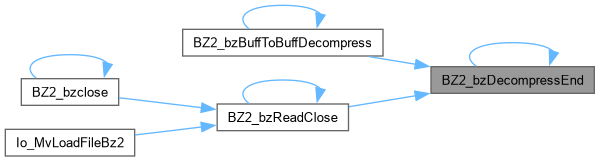
◆ BZ2_bzDecompressEnd()

BZ_EXTERN int BZ_API BZ2_bzDecompressEnd ( bz_stream * strm)

Definition at line 873 of file bzlib.c.

874{
875 DState* s;
876 if (strm == NULL) return BZ_PARAM_ERROR;
877 s = (DState *)strm->state;
878 if (s == NULL) return BZ_PARAM_ERROR;
879 if (s->strm != strm) return BZ_PARAM_ERROR;
880
881 if (s->tt != NULL) BZFREE(s->tt);
882 if (s->ll16 != NULL) BZFREE(s->ll16);
883 if (s->ll4 != NULL) BZFREE(s->ll4);
884
885 BZFREE(strm->state);
886 strm->state = NULL;
887
888 return BZ_OK;
889}
UInt32 * tt
UChar * ll4
UInt16 * ll16
Here is the call graph for this function:
Here is the caller graph for this function:

◆ BZ2_bzDecompressInit()

BZ_EXTERN int BZ_API BZ2_bzDecompressInit ( bz_stream * strm,
int verbosity,
int small )

Definition at line 503 of file bzlib.c.
507{
508 DState* s;
509
510 if (!bz_config_ok()) return BZ_CONFIG_ERROR;
511
512 if (strm == NULL) return BZ_PARAM_ERROR;
513 if (small != 0 && small != 1) return BZ_PARAM_ERROR;
514 if (verbosity < 0 || verbosity > 4) return BZ_PARAM_ERROR;
515
516 if (strm->bzalloc == NULL) strm->bzalloc = default_bzalloc;
517 if (strm->bzfree == NULL) strm->bzfree = default_bzfree;
518
519 s = (DState *)BZALLOC( sizeof(DState) );
520 if (s == NULL) return BZ_MEM_ERROR;
521 s->strm = strm;
522 strm->state = s;
523 s->state = BZ_X_MAGIC_1;
524 s->bsLive = 0;
525 s->bsBuff = 0;
527 strm->total_in_lo32 = 0;
528 strm->total_in_hi32 = 0;
529 strm->total_out_lo32 = 0;
530 strm->total_out_hi32 = 0;
531 s->smallDecompress = (Bool)small;
532 s->ll4 = NULL;
533 s->ll16 = NULL;
534 s->tt = NULL;
535 s->currBlockNo = 0;
536 s->verbosity = verbosity;
537
538 return BZ_OK;
539}
Int32 currBlockNo
Int32 bsLive
UInt32 bsBuff
Here is the call graph for this function:
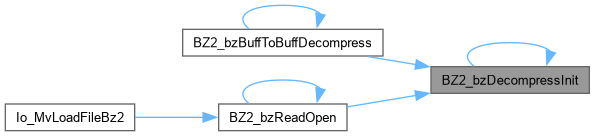
Here is the caller graph for this function:

◆ BZ2_bzdopen()

BZ_EXTERN BZFILE *BZ_API BZ2_bzdopen ( int fd,
const char * mode )

Definition at line 1480 of file bzlib.c.

1483{
1484 return bzopen_or_bzdopen(NULL,fd,mode,/*bzdopen*/1);
1485}
Definition mode.h:11
Here is the call graph for this function:
Here is the caller graph for this function:

◆ BZ2_bzerror()

BZ_EXTERN const char *BZ_API BZ2_bzerror ( BZFILE * b,
int * errnum )

Definition at line 1570 of file bzlib.c.

1571{
1572 int err = ((bzFile *)b)->lastErr;
1573
1574 if(err>0) err = 0;
1575 *errnum = err;
1576 return bzerrorstrings[err*-1];
1577}
Here is the call graph for this function:
Here is the caller graph for this function:

◆ BZ2_bzflush()

BZ_EXTERN int BZ_API BZ2_bzflush ( BZFILE * b)

Definition at line 1517 of file bzlib.c.

1518{
1519 /* do nothing now... */
1520 return 0;
1521}
Here is the call graph for this function:
Here is the caller graph for this function:

◆ BZ2_bzlibVersion()

BZ_EXTERN const char *BZ_API BZ2_bzlibVersion ( void )

Definition at line 1377 of file bzlib.c.

1378{
1379 return BZ_VERSION;
1380}
#define BZ_VERSION
Here is the call graph for this function:
Here is the caller graph for this function:

◆ BZ2_bzopen()

BZ_EXTERN BZFILE *BZ_API BZ2_bzopen ( const char * path,
const char * mode )

Definition at line 1471 of file bzlib.c.

1474{
1475 return bzopen_or_bzdopen(path,-1,mode,/*bzopen*/0);
1476}
Here is the call graph for this function:
Here is the caller graph for this function:

◆ BZ2_bzRead()

BZ_EXTERN int BZ_API BZ2_bzRead ( int * bzerror,
BZFILE * b,
void * buf,
int len )

Definition at line 1172 of file bzlib.c.

1177{
1178 Int32 n, ret;
1179 bzFile* bzf = (bzFile*)b;
1180
1182
1183 if (bzf == NULL || buf == NULL || len < 0)
1184 { BZ_SETERR(BZ_PARAM_ERROR); return 0; };
1185
1186 if (bzf->writing)
1187 { BZ_SETERR(BZ_SEQUENCE_ERROR); return 0; };
1188
1189 if (len == 0)
1190 { BZ_SETERR(BZ_OK); return 0; };
1191
1192 bzf->strm.avail_out = len;
1193 bzf->strm.next_out = (char *)buf;
1194
1195 while (True) {
1196
1197 if (ferror(bzf->handle))
1198 { BZ_SETERR(BZ_IO_ERROR); return 0; };
1199
1200 if (bzf->strm.avail_in == 0 && !myfeof(bzf->handle)) {
1201 n = fread ( bzf->buf, sizeof(UChar),
1202 BZ_MAX_UNUSED, bzf->handle );
1203 if (ferror(bzf->handle))
1204 { BZ_SETERR(BZ_IO_ERROR); return 0; };
1205 bzf->bufN = n;
1206 bzf->strm.avail_in = bzf->bufN;
1207 bzf->strm.next_in = bzf->buf;
1208 }
1209
1210 ret = BZ2_bzDecompress ( &(bzf->strm) );
1211
1212 if (ret != BZ_OK && ret != BZ_STREAM_END)
1213 { BZ_SETERR(ret); return 0; };
1214
1215 if (ret == BZ_OK && myfeof(bzf->handle) &&
1216 bzf->strm.avail_in == 0 && bzf->strm.avail_out > 0)
1217 { BZ_SETERR(BZ_UNEXPECTED_EOF); return 0; };
1218
1219 if (ret == BZ_STREAM_END)
1221 return len - bzf->strm.avail_out; };
1222 if (bzf->strm.avail_out == 0)
1223 { BZ_SETERR(BZ_OK); return len; };
1224
1225 }
1226
1227 return 0; /*not reached*/
1228}
#define BZ_SETERR(eee)
Definition bzlib.c:897
#define BZ_IO_ERROR
Definition bzlib.h:44
#define BZ_MAX_UNUSED
Definition bzlib.h:140
FILE * handle
Definition bzlib.c:905
Int32 bufN
Definition bzlib.c:907
Char buf[BZ_MAX_UNUSED]
Definition bzlib.c:906
bz_stream strm
Definition bzlib.c:909
Bool writing
Definition bzlib.c:908
Here is the call graph for this function:
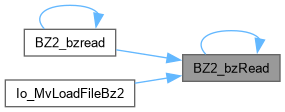
Here is the caller graph for this function:

◆ BZ2_bzread()

BZ_EXTERN int BZ_API BZ2_bzread ( BZFILE * b,
void * buf,
int len )

Definition at line 1489 of file bzlib.c.

1490{
1491 int bzerr, nread;
1492 if (((bzFile*)b)->lastErr == BZ_STREAM_END) return 0;
1493 nread = BZ2_bzRead(&bzerr,b,buf,len);
1494 if (bzerr == BZ_OK || bzerr == BZ_STREAM_END) {
1495 return nread;
1496 } else {
1497 return -1;
1498 }
1499}
int BZ_API BZ2_bzRead(int *bzerror, BZFILE *b, void *buf, int len)
Definition bzlib.c:1173
Here is the call graph for this function:
Here is the caller graph for this function:

◆ BZ2_bzReadClose()

BZ_EXTERN void BZ_API BZ2_bzReadClose ( int * bzerror,
BZFILE * b )

Definition at line 1154 of file bzlib.c.

1155{
1156 bzFile* bzf = (bzFile*)b;
1157
1159 if (bzf == NULL)
1160 { BZ_SETERR(BZ_OK); return; };
1161
1162 if (bzf->writing)
1163 { BZ_SETERR(BZ_SEQUENCE_ERROR); return; };
1164
1165 if (bzf->initialisedOk)
1166 (void)BZ2_bzDecompressEnd ( &(bzf->strm) );
1167 free ( bzf );
1168}
Bool initialisedOk
Definition bzlib.c:911
VOID_HACK free()
Here is the call graph for this function:
Here is the caller graph for this function:

◆ BZ2_bzReadGetUnused()

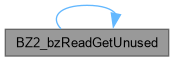
BZ_EXTERN void BZ_API BZ2_bzReadGetUnused ( int * bzerror,
BZFILE * b,
void ** unused,
int * nUnused )

Definition at line 1232 of file bzlib.c.

1237{
1238 bzFile* bzf = (bzFile*)b;
1239 if (bzf == NULL)
1240 { BZ_SETERR(BZ_PARAM_ERROR); return; };
1241 if (bzf->lastErr != BZ_STREAM_END)
1242 { BZ_SETERR(BZ_SEQUENCE_ERROR); return; };
1243 if (unused == NULL || nUnused == NULL)
1244 { BZ_SETERR(BZ_PARAM_ERROR); return; };
1245
1247 *nUnused = bzf->strm.avail_in;
1248 *unused = bzf->strm.next_in;
1249}
Int32 lastErr
Definition bzlib.c:910
Here is the call graph for this function:
Here is the caller graph for this function:

◆ BZ2_bzReadOpen()

BZ_EXTERN BZFILE *BZ_API BZ2_bzReadOpen ( int * bzerror,
FILE * f,
int verbosity,
int small,
void * unused,
int nUnused )

Definition at line 1098 of file bzlib.c.
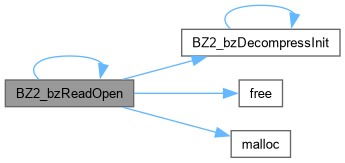
1105{
1106 bzFile* bzf = NULL;
1107 int ret;
1108
1110
1111 if (f == NULL ||
1112 (small != 0 && small != 1) ||
1113 (verbosity < 0 || verbosity > 4) ||
1114 (unused == NULL && nUnused != 0) ||
1115 (unused != NULL && (nUnused < 0 || nUnused > BZ_MAX_UNUSED)))
1116 { BZ_SETERR(BZ_PARAM_ERROR); return NULL; };
1117
1118 if (ferror(f))
1119 { BZ_SETERR(BZ_IO_ERROR); return NULL; };
1120
1121 bzf = (bzFile *)malloc ( sizeof(bzFile) );
1122 if (bzf == NULL)
1123 { BZ_SETERR(BZ_MEM_ERROR); return NULL; };
1124
1126
1127 bzf->initialisedOk = False;
1128 bzf->handle = f;
1129 bzf->bufN = 0;
1130 bzf->writing = False;
1131 bzf->strm.bzalloc = NULL;
1132 bzf->strm.bzfree = NULL;
1133 bzf->strm.opaque = NULL;
1134
1135 while (nUnused > 0) {
1136 bzf->buf[bzf->bufN] = *((UChar*)(unused)); bzf->bufN++;
1137 unused = ((void*)( 1 + ((UChar*)(unused)) ));
1138 nUnused--;
1139 }
1140
1141 ret = BZ2_bzDecompressInit ( &(bzf->strm), verbosity, small );
1142 if (ret != BZ_OK)
1143 { BZ_SETERR(ret); free(bzf); return NULL; };
1144
1145 bzf->strm.avail_in = bzf->bufN;
1146 bzf->strm.next_in = bzf->buf;
1147
1148 bzf->initialisedOk = True;
1149 return bzf;
1150}
#define False
char * malloc()
Here is the call graph for this function:
Here is the caller graph for this function:

◆ BZ2_bzWrite()

BZ_EXTERN void BZ_API BZ2_bzWrite ( int * bzerror,
BZFILE * b,
void * buf,
int len )

Definition at line 975 of file bzlib.c.

980{
981 Int32 n, n2, ret;
982 bzFile* bzf = (bzFile*)b;
983
985 if (bzf == NULL || buf == NULL || len < 0)
986 { BZ_SETERR(BZ_PARAM_ERROR); return; };
987 if (!(bzf->writing))
988 { BZ_SETERR(BZ_SEQUENCE_ERROR); return; };
989 if (ferror(bzf->handle))
990 { BZ_SETERR(BZ_IO_ERROR); return; };
991
992 if (len == 0)
993 { BZ_SETERR(BZ_OK); return; };
994
995 bzf->strm.avail_in = len;
996 bzf->strm.next_in = (char *)buf;
997
998 while (True) {
1000 bzf->strm.next_out = bzf->buf;
1001 ret = BZ2_bzCompress ( &(bzf->strm), BZ_RUN );
1002 if (ret != BZ_RUN_OK)
1003 { BZ_SETERR(ret); return; };
1004
1005 if (bzf->strm.avail_out < BZ_MAX_UNUSED) {
1006 n = BZ_MAX_UNUSED - bzf->strm.avail_out;
1007 n2 = fwrite ( (void*)(bzf->buf), sizeof(UChar),
1008 n, bzf->handle );
1009 if (n != n2 || ferror(bzf->handle))
1010 { BZ_SETERR(BZ_IO_ERROR); return; };
1011 }
1012
1013 if (bzf->strm.avail_in == 0)
1014 { BZ_SETERR(BZ_OK); return; };
1015 }
1016}
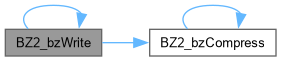
Here is the call graph for this function:
Here is the caller graph for this function:

◆ BZ2_bzwrite()

BZ_EXTERN int BZ_API BZ2_bzwrite ( BZFILE * b,
void * buf,
int len )

Definition at line 1503 of file bzlib.c.

1504{
1505 int bzerr;
1506
1507 BZ2_bzWrite(&bzerr,b,buf,len);
1508 if(bzerr == BZ_OK){
1509 return len;
1510 }else{
1511 return -1;
1512 }
1513}
void BZ_API BZ2_bzWrite(int *bzerror, BZFILE *b, void *buf, int len)
Definition bzlib.c:976
Here is the call graph for this function:
Here is the caller graph for this function:

◆ BZ2_bzWriteClose()

BZ_EXTERN void BZ_API BZ2_bzWriteClose ( int * bzerror,
BZFILE * b,
int abandon,
unsigned int * nbytes_in,
unsigned int * nbytes_out )

Definition at line 1020 of file bzlib.c.
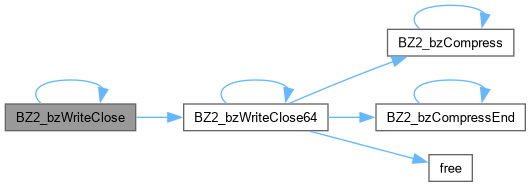
1026{
1027 BZ2_bzWriteClose64 ( bzerror, b, abandon,
1028 nbytes_in, NULL, nbytes_out, NULL );
1029}
void BZ_API BZ2_bzWriteClose64(int *bzerror, BZFILE *b, int abandon, unsigned int *nbytes_in_lo32, unsigned int *nbytes_in_hi32, unsigned int *nbytes_out_lo32, unsigned int *nbytes_out_hi32)
Definition bzlib.c:1033
Here is the call graph for this function:
Here is the caller graph for this function:

◆ BZ2_bzWriteClose64()

BZ_EXTERN void BZ_API BZ2_bzWriteClose64 ( int * bzerror,
BZFILE * b,
int abandon,
unsigned int * nbytes_in_lo32,
unsigned int * nbytes_in_hi32,
unsigned int * nbytes_out_lo32,
unsigned int * nbytes_out_hi32 )

Definition at line 1032 of file bzlib.c.
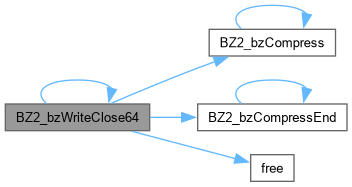
1040{
1041 Int32 n, n2, ret;
1042 bzFile* bzf = (bzFile*)b;
1043
1044 if (bzf == NULL)
1045 { BZ_SETERR(BZ_OK); return; };
1046 if (!(bzf->writing))
1047 { BZ_SETERR(BZ_SEQUENCE_ERROR); return; };
1048 if (ferror(bzf->handle))
1049 { BZ_SETERR(BZ_IO_ERROR); return; };
1050
1051 if (nbytes_in_lo32 != NULL) *nbytes_in_lo32 = 0;
1052 if (nbytes_in_hi32 != NULL) *nbytes_in_hi32 = 0;
1053 if (nbytes_out_lo32 != NULL) *nbytes_out_lo32 = 0;
1054 if (nbytes_out_hi32 != NULL) *nbytes_out_hi32 = 0;
1055
1056 if ((!abandon) && bzf->lastErr == BZ_OK) {
1057 while (True) {
1059 bzf->strm.next_out = bzf->buf;
1060 ret = BZ2_bzCompress ( &(bzf->strm), BZ_FINISH );
1061 if (ret != BZ_FINISH_OK && ret != BZ_STREAM_END)
1062 { BZ_SETERR(ret); return; };
1063
1064 if (bzf->strm.avail_out < BZ_MAX_UNUSED) {
1065 n = BZ_MAX_UNUSED - bzf->strm.avail_out;
1066 n2 = fwrite ( (void*)(bzf->buf), sizeof(UChar),
1067 n, bzf->handle );
1068 if (n != n2 || ferror(bzf->handle))
1069 { BZ_SETERR(BZ_IO_ERROR); return; };
1070 }
1071
1072 if (ret == BZ_STREAM_END) break;
1073 }
1074 }
1075
1076 if ( !abandon && !ferror ( bzf->handle ) ) {
1077 fflush ( bzf->handle );
1078 if (ferror(bzf->handle))
1079 { BZ_SETERR(BZ_IO_ERROR); return; };
1080 }
1081
1082 if (nbytes_in_lo32 != NULL)
1083 *nbytes_in_lo32 = bzf->strm.total_in_lo32;
1084 if (nbytes_in_hi32 != NULL)
1085 *nbytes_in_hi32 = bzf->strm.total_in_hi32;
1086 if (nbytes_out_lo32 != NULL)
1087 *nbytes_out_lo32 = bzf->strm.total_out_lo32;
1088 if (nbytes_out_hi32 != NULL)
1089 *nbytes_out_hi32 = bzf->strm.total_out_hi32;
1090
1092 BZ2_bzCompressEnd ( &(bzf->strm) );
1093 free ( bzf );
1094}
Here is the call graph for this function:
Here is the caller graph for this function:

◆ BZ2_bzWriteOpen()

BZ_EXTERN BZFILE *BZ_API BZ2_bzWriteOpen ( int * bzerror,
FILE * f,
int blockSize100k,
int verbosity,
int workFactor )

Definition at line 927 of file bzlib.c.
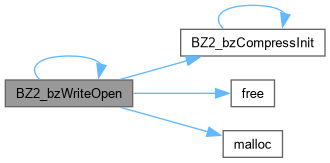
933{
934 Int32 ret;
935 bzFile* bzf = NULL;
936
938
939 if (f == NULL ||
940 (blockSize100k < 1 || blockSize100k > 9) ||
941 (workFactor < 0 || workFactor > 250) ||
942 (verbosity < 0 || verbosity > 4))
943 { BZ_SETERR(BZ_PARAM_ERROR); return NULL; };
944
945 if (ferror(f))
946 { BZ_SETERR(BZ_IO_ERROR); return NULL; };
947
948 bzf = (bzFile *)malloc ( sizeof(bzFile) );
949 if (bzf == NULL)
950 { BZ_SETERR(BZ_MEM_ERROR); return NULL; };
951
953 bzf->initialisedOk = False;
954 bzf->bufN = 0;
955 bzf->handle = f;
956 bzf->writing = True;
957 bzf->strm.bzalloc = NULL;
958 bzf->strm.bzfree = NULL;
959 bzf->strm.opaque = NULL;
960
961 if (workFactor == 0) workFactor = 30;
962 ret = BZ2_bzCompressInit ( &(bzf->strm), blockSize100k,
963 verbosity, workFactor );
964 if (ret != BZ_OK)
965 { BZ_SETERR(ret); free(bzf); return NULL; };
966
967 bzf->strm.avail_in = 0;
968 bzf->initialisedOk = True;
969 return bzf;
970}
Here is the call graph for this function:
Here is the caller graph for this function: