ABC: A System for Sequential Synthesis and Verification
 
Loading...
Searching...
No Matches
gzlib.c File Reference
#include <stdio.h>
#include <stdlib.h>
#include <string.h>
#include "misc/util/abc_global.h"
#include "gzguts.h"
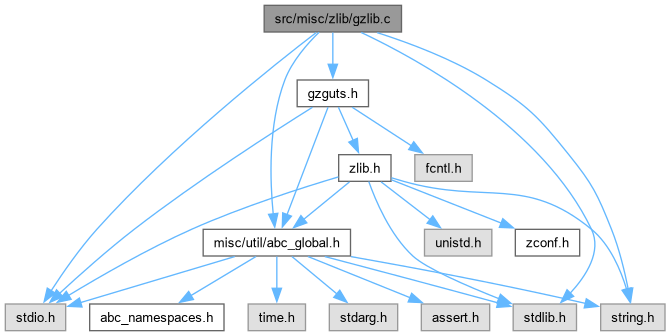
Include dependency graph for gzlib.c:

Go to the source code of this file.

Macros

#define LSEEK   lseek
 

Functions

local void gz_reset OF ((gz_statep))
 
local gzFile gz_open OF ((const char *, int, const char *))
 
local void gz_reset (gz_statep state)
 
local gzFile gz_open (const char *path, int fd, const char *mode)
 
gzFile ZEXPORT gzopen (const char *path, const char *mode)
 
gzFile ZEXPORT gzopen64 (const char *path, const char *mode)
 
gzFile ZEXPORT gzdopen (int fd, const char *mode)
 
int ZEXPORT gzbuffer (gzFile file, unsigned size)
 
int ZEXPORT gzrewind (gzFile file)
 
z_off64_t ZEXPORT gzseek64 (gzFile file, z_off64_t offset, int whence)
 
z_off_t ZEXPORT gzseek (gzFile file, z_off_t offset, int whence)
 
z_off64_t ZEXPORT gztell64 (gzFile file)
 
z_off_t ZEXPORT gztell (gzFile file)
 
z_off64_t ZEXPORT gzoffset64 (gzFile file)
 
z_off_t ZEXPORT gzoffset (gzFile file)
 
int ZEXPORT gzeof (gzFile file)
 
const char *ZEXPORT gzerror (gzFile file, int *errnum)
 
void ZEXPORT gzclearerr (gzFile file)
 
void ZLIB_INTERNAL gz_error (gz_statep state, int err, const char *msg)
 
unsigned ZLIB_INTERNAL gz_intmax ()
 

Macro Definition Documentation

◆ LSEEK

#define LSEEK   lseek

Definition at line 18 of file gzlib.c.

Function Documentation

◆ gz_error()

void ZLIB_INTERNAL gz_error ( gz_statep state,
int err,
const char * msg )

Definition at line 464 of file gzlib.c.
465{
466 /* free previously allocated message and clear */
467 if (state->msg != NULL) {
468 if (state->err != Z_MEM_ERROR)
469 free(state->msg);
470 state->msg = NULL;
471 }
472
473 /* set error code, and if no message, then done */
474 state->err = err;
475 if (msg == NULL)
476 return;
477
478 /* for an out of memory error, save as static string */
479 if (err == Z_MEM_ERROR) {
480 state->msg = (char *)msg;
481 return;
482 }
483
484 /* construct error message with path */
485 if ((state->msg = (char *)malloc(strlen(state->path) + strlen(msg) + 3)) == NULL) {
486 state->err = Z_MEM_ERROR;
487 state->msg = (char *)"out of memory";
488 return;
489 }
490 strcpy(state->msg, state->path);
491 strcat(state->msg, ": ");
492 strcat(state->msg, msg);
493 return;
494}
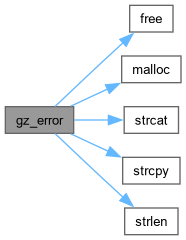
int strlen()
char * strcpy()
VOID_HACK free()
char * strcat()
char * malloc()
#define Z_MEM_ERROR
Definition zlib.h:187
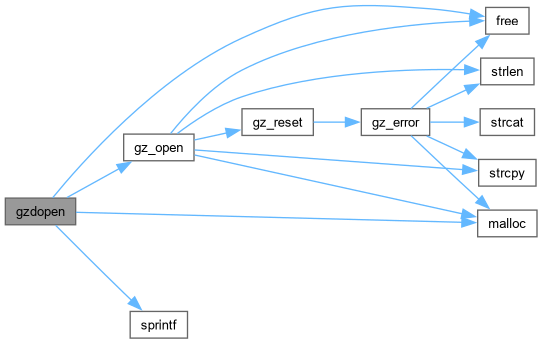
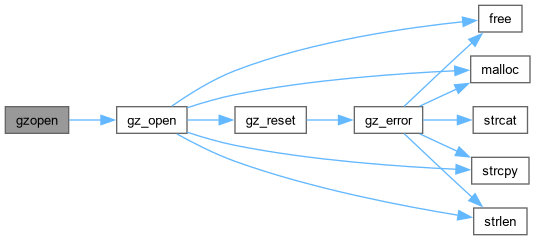
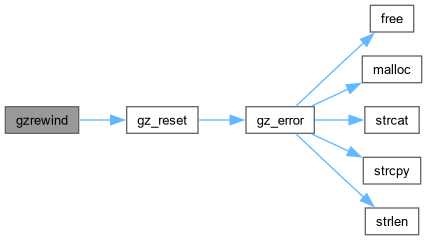
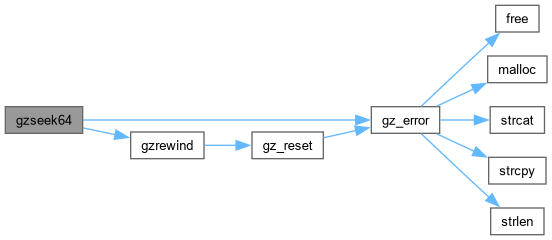
Here is the call graph for this function:
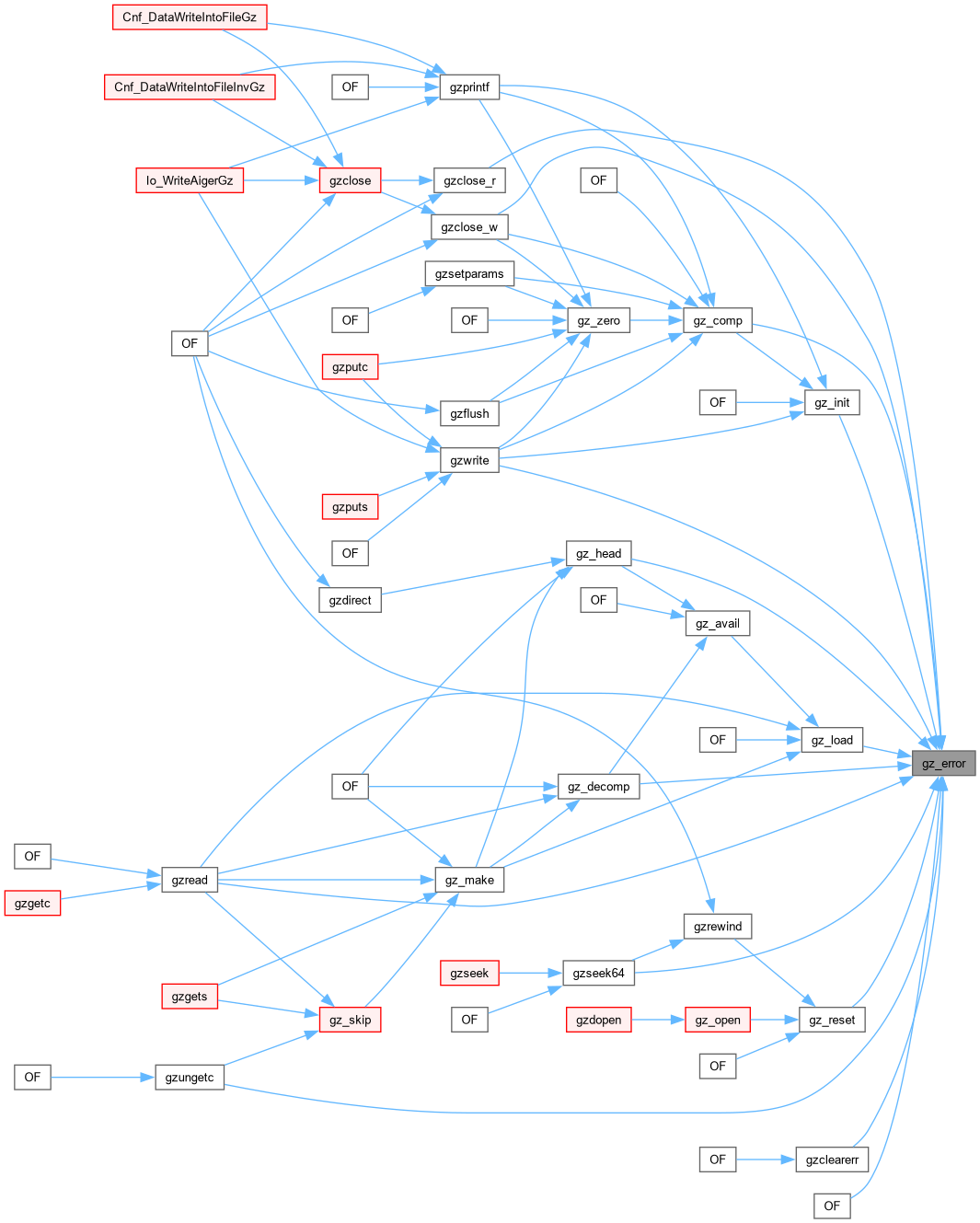
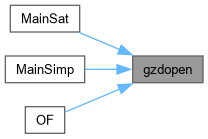
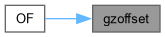
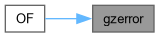
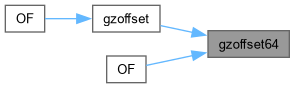
Here is the caller graph for this function:

◆ gz_intmax()

unsigned ZLIB_INTERNAL gz_intmax ( )

Definition at line 501 of file gzlib.c.

502{
503 unsigned p, q;
504
505 p = 1;
506 do {
507 q = p;
508 p <<= 1;
509 p++;
510 } while (p > q);
511 return q >> 1;
512}
Cube * p
Definition exorList.c:222
Here is the caller graph for this function:

◆ gz_open()

local gzFile gz_open ( const char * path,
int fd,
const char * mode )

Definition at line 92 of file gzlib.c.
93{
94 gz_statep state;
95
96 /* allocate gzFile structure to return */
97 state = (gz_statep)malloc(sizeof(gz_state));
98 if (state == NULL)
99 return NULL;
100 state->size = 0; /* no buffers allocated yet */
101 state->want = GZBUFSIZE; /* requested buffer size */
102 state->msg = NULL; /* no error message yet */
103
104 /* interpret mode */
105 state->mode = GZ_NONE;
106 state->level = Z_DEFAULT_COMPRESSION;
107 state->strategy = Z_DEFAULT_STRATEGY;
108 while (*mode) {
109 if (*mode >= '0' && *mode <= '9')
110 state->level = *mode - '0';
111 else
112 switch (*mode) {
113 case 'r':
114 state->mode = GZ_READ;
115 break;
116#ifndef NO_GZCOMPRESS
117 case 'w':
118 state->mode = GZ_WRITE;
119 break;
120 case 'a':
121 state->mode = GZ_APPEND;
122 break;
123#endif
124 case '+': /* can't read and write at the same time */
125 free(state);
126 return NULL;
127 case 'b': /* ignore -- will request binary anyway */
128 break;
129 case 'f':
130 state->strategy = Z_FILTERED;
131 break;
132 case 'h':
133 state->strategy = Z_HUFFMAN_ONLY;
134 break;
135 case 'R':
136 state->strategy = Z_RLE;
137 break;
138 case 'F':
139 state->strategy = Z_FIXED;
140 default: /* could consider as an error, but just ignore */
141 ;
142 }
143 mode++;
144 }
145
146 /* must provide an "r", "w", or "a" */
147 if (state->mode == GZ_NONE) {
148 free(state);
149 return NULL;
150 }
151
152 /* save the path name for error messages */
153 state->path = (char *)malloc(strlen(path) + 1);
154 if (state->path == NULL) {
155 free(state);
156 return NULL;
157 }
158 strcpy(state->path, path);
159
160 /* open the file with the appropriate mode (or just use fd) */
161 state->fd = fd != -1 ? fd :
162 open(path,
163#ifdef O_LARGEFILE
164 O_LARGEFILE |
165#endif
166#ifdef O_BINARY
167 O_BINARY |
168#endif
169 (state->mode == GZ_READ ?
170 O_RDONLY :
171 (O_WRONLY | O_CREAT | (
172 state->mode == GZ_WRITE ?
173 O_TRUNC :
174 O_APPEND))),
175 0666);
176 if (state->fd == -1) {
177 free(state->path);
178 free(state);
179 return NULL;
180 }
181 if (state->mode == GZ_APPEND)
182 state->mode = GZ_WRITE; /* simplify later checks */
183
184 /* save the current position for rewinding (only if reading) */
185 if (state->mode == GZ_READ) {
186 state->start = LSEEK(state->fd, 0, SEEK_CUR);
187 if (state->start == -1) state->start = 0;
188 }
189
190 /* initialize stream */
191 gz_reset(state);
192
193 /* return stream */
194 return (gzFile)state;
195}
gz_state FAR * gz_statep
Definition gzguts.h:129
#define GZ_WRITE
Definition gzguts.h:90
#define GZ_READ
Definition gzguts.h:89
#define GZ_APPEND
Definition gzguts.h:91
#define GZBUFSIZE
Definition gzguts.h:85
#define GZ_NONE
Definition gzguts.h:88
#define LSEEK
Definition gzlib.c:18
local void gz_reset(gz_statep state)
Definition gzlib.c:77
Definition mode.h:11
#define SEEK_CUR
Definition zconf.h:391
#define Z_HUFFMAN_ONLY
Definition zlib.h:201
#define Z_DEFAULT_STRATEGY
Definition zlib.h:204
#define Z_FIXED
Definition zlib.h:203
voidp gzFile
Definition zlib.h:1173
#define Z_FILTERED
Definition zlib.h:200
#define Z_RLE
Definition zlib.h:202
#define Z_DEFAULT_COMPRESSION
Definition zlib.h:197
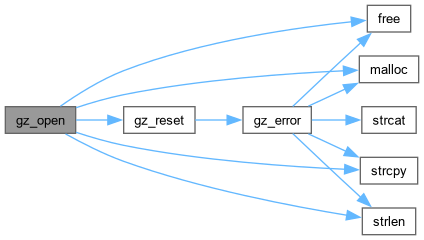
Here is the call graph for this function:
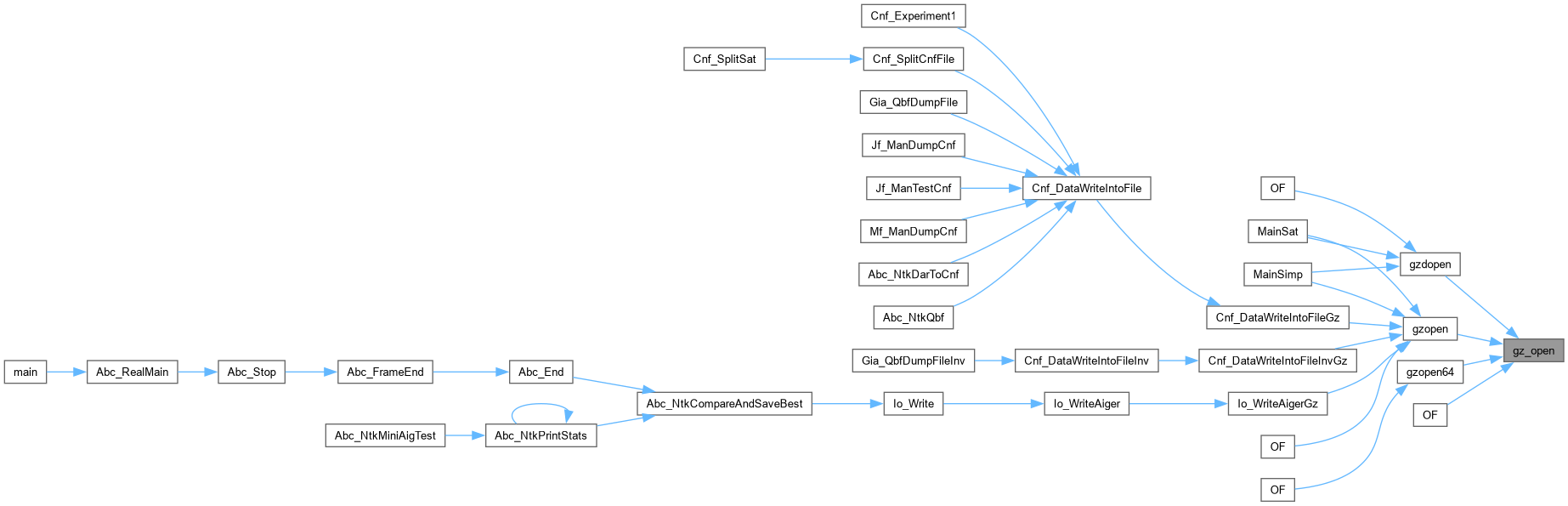
Here is the caller graph for this function:

◆ gz_reset()

local void gz_reset ( gz_statep state)

Definition at line 77 of file gzlib.c.
78{
79 if (state->mode == GZ_READ) { /* for reading ... */
80 state->have = 0; /* no output data available */
81 state->eof = 0; /* not at end of file */
82 state->how = LOOK; /* look for gzip header */
83 state->direct = 1; /* default for empty file */
84 }
85 state->seek = 0; /* no seek request pending */
86 gz_error(state, Z_OK, NULL); /* clear error */
87 state->pos = 0; /* no uncompressed data yet */
88 state->strm.avail_in = 0; /* no input data yet */
89}
#define LOOK
Definition gzguts.h:94
void ZLIB_INTERNAL gz_error(gz_statep state, int err, const char *msg)
Definition gzlib.c:464
#define Z_OK
Definition zlib.h:181
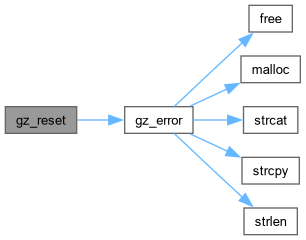
Here is the call graph for this function:
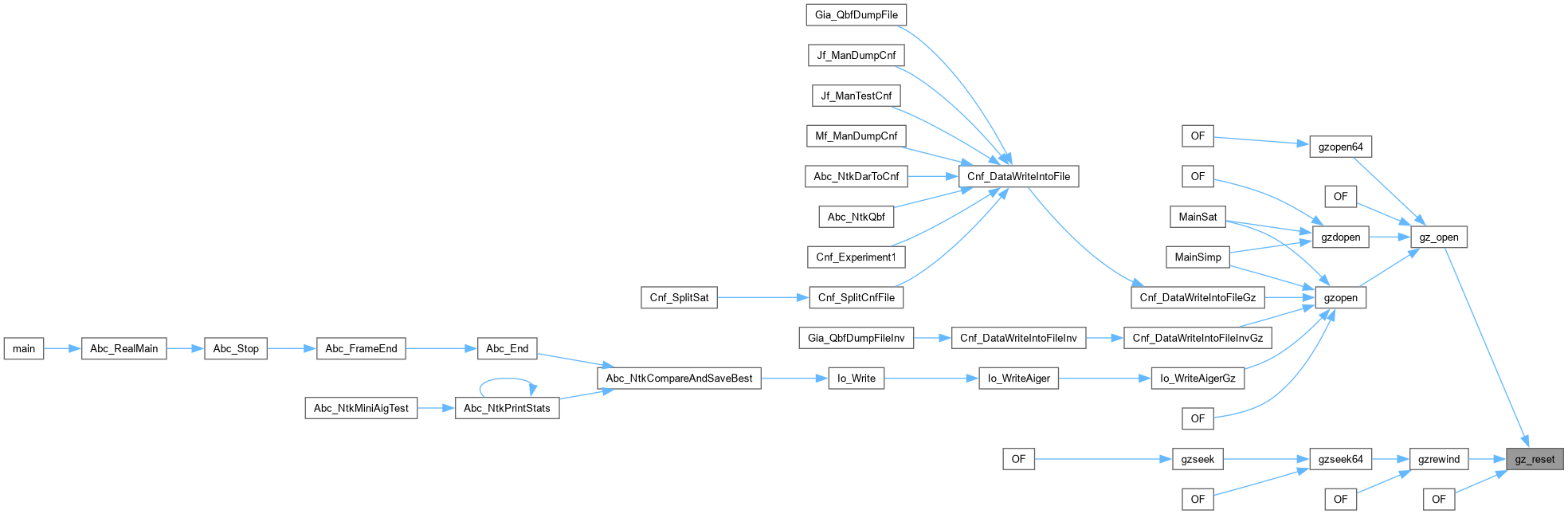
Here is the caller graph for this function:

◆ gzbuffer()

int ZEXPORT gzbuffer ( gzFile file,
unsigned size )

Definition at line 224 of file gzlib.c.

225{
226 gz_statep state;
227
228 /* get internal structure and check integrity */
229 if (file == NULL)
230 return -1;
231 state = (gz_statep)file;
232 if (state->mode != GZ_READ && state->mode != GZ_WRITE)
233 return -1;
234
235 /* make sure we haven't already allocated memory */
236 if (state->size != 0)
237 return -1;
238
239 /* check and set requested size */
240 if (size == 0)
241 return -1;
242 state->want = size;
243 return 0;
244}
unsigned long long size
Definition giaNewBdd.h:39
Definition file.h:23
Here is the caller graph for this function:

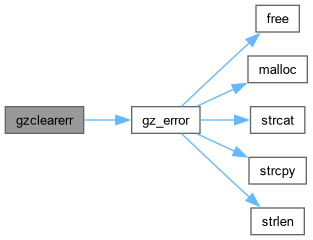
◆ gzclearerr()

void ZEXPORT gzclearerr ( gzFile file)

Definition at line 441 of file gzlib.c.

442{
443 gz_statep state;
444
445 /* get internal structure and check integrity */
446 if (file == NULL)
447 return;
448 state = (gz_statep)file;
449 if (state->mode != GZ_READ && state->mode != GZ_WRITE)
450 return;
451
452 /* clear error and end-of-file */
453 if (state->mode == GZ_READ)
454 state->eof = 0;
455 gz_error(state, Z_OK, NULL);
456}
Here is the call graph for this function:
Here is the caller graph for this function:

◆ gzdopen()

gzFile ZEXPORT gzdopen ( int fd,
const char * mode )

Definition at line 210 of file gzlib.c.

211{
212 char *path; /* identifier for error messages */
213 gzFile gz;
214
215 if (fd == -1 || (path = (char *)malloc(7 + 3 * sizeof(int))) == NULL)
216 return NULL;
217 sprintf(path, "<fd:%d>", fd); /* for debugging */
218 gz = gz_open(path, fd, mode);
219 free(path);
220 return gz;
221}
local gzFile gz_open(const char *path, int fd, const char *mode)
Definition gzlib.c:92
char * sprintf()
Here is the call graph for this function:
Here is the caller graph for this function:

◆ gzeof()

int ZEXPORT gzeof ( gzFile file)

Definition at line 406 of file gzlib.c.
407{
408 gz_statep state;
409
410 /* get internal structure and check integrity */
411 if (file == NULL)
412 return 0;
413 state = (gz_statep)file;
414 if (state->mode != GZ_READ && state->mode != GZ_WRITE)
415 return 0;
416
417 /* return end-of-file state */
418 return state->mode == GZ_READ ?
419 (state->eof && state->strm.avail_in == 0 && state->have == 0) : 0;
420}
Here is the caller graph for this function:

◆ gzerror()

const char *ZEXPORT gzerror ( gzFile file,
int * errnum )

Definition at line 423 of file gzlib.c.
424{
425 gz_statep state;
426
427 /* get internal structure and check integrity */
428 if (file == NULL)
429 return NULL;
430 state = (gz_statep)file;
431 if (state->mode != GZ_READ && state->mode != GZ_WRITE)
432 return NULL;
433
434 /* return error information */
435 if (errnum != NULL)
436 *errnum = state->err;
437 return state->msg == NULL ? "" : state->msg;
438}
Here is the caller graph for this function:

◆ gzoffset()

z_off_t ZEXPORT gzoffset ( gzFile file)

Definition at line 397 of file gzlib.c.

398{
399 z_off64_t ret;
400
401 ret = gzoffset64(file);
402 return ret == (z_off_t)ret ? (z_off_t)ret : -1;
403}
z_off64_t ZEXPORT gzoffset64(gzFile file)
Definition gzlib.c:375
#define z_off_t
Definition zconf.h:396
#define z_off64_t
Definition zconf.h:402
Here is the call graph for this function:
Here is the caller graph for this function:

◆ gzoffset64()

z_off64_t ZEXPORT gzoffset64 ( gzFile file)

Definition at line 375 of file gzlib.c.
376{
377 z_off64_t offset;
378 gz_statep state;
379
380 /* get internal structure and check integrity */
381 if (file == NULL)
382 return -1;
383 state = (gz_statep)file;
384 if (state->mode != GZ_READ && state->mode != GZ_WRITE)
385 return -1;
386
387 /* compute and return effective offset in file */
388 offset = LSEEK(state->fd, 0, SEEK_CUR);
389 if (offset == -1)
390 return -1;
391 if (state->mode == GZ_READ) /* reading */
392 offset -= state->strm.avail_in; /* don't count buffered input */
393 return offset;
394}
Here is the caller graph for this function:

◆ gzopen()

gzFile ZEXPORT gzopen ( const char * path,
const char * mode )

Definition at line 198 of file gzlib.c.

199{
200 return gz_open(path, -1, mode);
201}
Here is the call graph for this function:
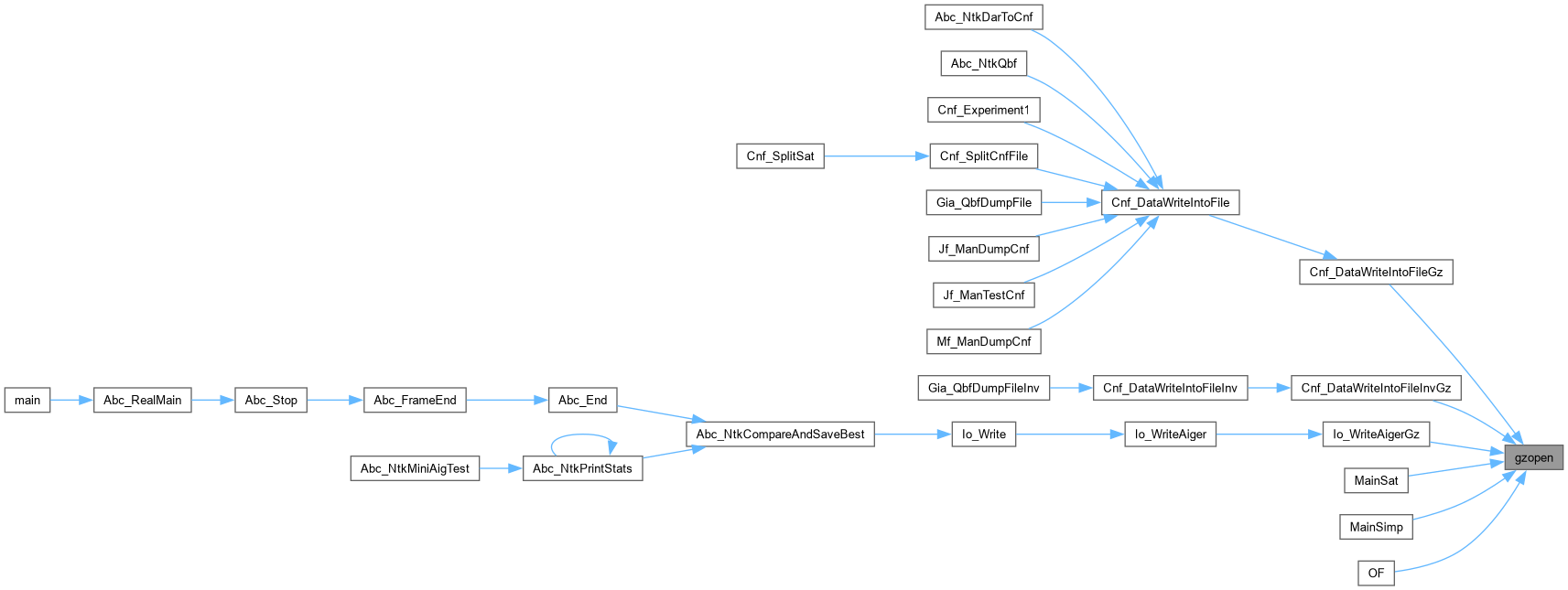
Here is the caller graph for this function:

◆ gzopen64()

gzFile ZEXPORT gzopen64 ( const char * path,
const char * mode )

Definition at line 204 of file gzlib.c.

205{
206 return gz_open(path, -1, mode);
207}
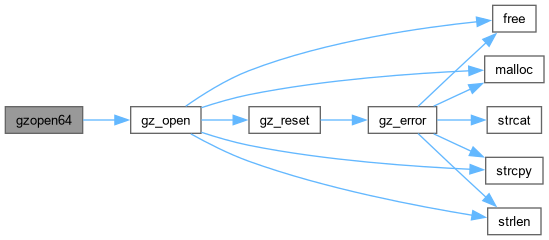
Here is the call graph for this function:
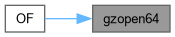
Here is the caller graph for this function:

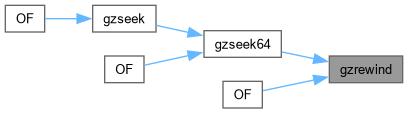
◆ gzrewind()

int ZEXPORT gzrewind ( gzFile file)

Definition at line 247 of file gzlib.c.
248{
249 gz_statep state;
250
251 /* get internal structure */
252 if (file == NULL)
253 return -1;
254 state = (gz_statep)file;
255
256 /* check that we're reading and that there's no error */
257 if (state->mode != GZ_READ || state->err != Z_OK)
258 return -1;
259
260 /* back up and start over */
261 if (LSEEK(state->fd, state->start, SEEK_SET) == -1)
262 return -1;
263 gz_reset(state);
264 return 0;
265}
#define SEEK_SET
Definition zconf.h:390
Here is the call graph for this function:
Here is the caller graph for this function:

◆ gzseek()

z_off_t ZEXPORT gzseek ( gzFile file,
z_off_t offset,
int whence )

Definition at line 341 of file gzlib.c.

342{
343 z_off64_t ret;
344
345 ret = gzseek64(file, (z_off64_t)offset, whence);
346 return ret == (z_off_t)ret ? (z_off_t)ret : -1;
347}
z_off64_t ZEXPORT gzseek64(gzFile file, z_off64_t offset, int whence)
Definition gzlib.c:268
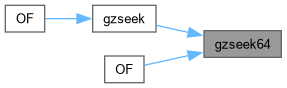
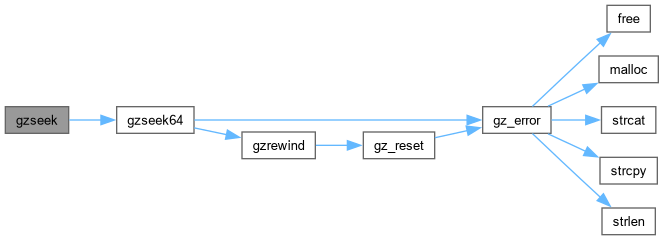
Here is the call graph for this function:
Here is the caller graph for this function:

◆ gzseek64()

z_off64_t ZEXPORT gzseek64 ( gzFile file,
z_off64_t offset,
int whence )

Definition at line 268 of file gzlib.c.
269{
270 unsigned n;
271 z_off64_t ret;
272 gz_statep state;
273
274 /* get internal structure and check integrity */
275 if (file == NULL)
276 return -1;
277 state = (gz_statep)file;
278 if (state->mode != GZ_READ && state->mode != GZ_WRITE)
279 return -1;
280
281 /* check that there's no error */
282 if (state->err != Z_OK)
283 return -1;
284
285 /* can only seek from start or relative to current position */
286 if (whence != SEEK_SET && whence != SEEK_CUR)
287 return -1;
288
289 /* normalize offset to a SEEK_CUR specification */
290 if (whence == SEEK_SET)
291 offset -= state->pos;
292 else if (state->seek)
293 offset += state->skip;
294 state->seek = 0;
295
296 /* if within raw area while reading, just go there */
297 if (state->mode == GZ_READ && state->how == COPY &&
298 state->pos + offset >= state->raw) {
299 ret = LSEEK(state->fd, offset - state->have, SEEK_CUR);
300 if (ret == -1)
301 return -1;
302 state->have = 0;
303 state->eof = 0;
304 state->seek = 0;
305 gz_error(state, Z_OK, NULL);
306 state->strm.avail_in = 0;
307 state->pos += offset;
308 return state->pos;
309 }
310
311 /* calculate skip amount, rewinding if needed for back seek when reading */
312 if (offset < 0) {
313 if (state->mode != GZ_READ) /* writing -- can't go backwards */
314 return -1;
315 offset += state->pos;
316 if (offset < 0) /* before start of file! */
317 return -1;
318 if (gzrewind(file) == -1) /* rewind, then skip to offset */
319 return -1;
320 }
321
322 /* if reading, skip what's in output buffer (one less gzgetc() check) */
323 if (state->mode == GZ_READ) {
324 n = GT_OFF(state->have) || (z_off64_t)state->have > offset ?
325 (unsigned)offset : state->have;
326 state->have -= n;
327 state->next += n;
328 state->pos += n;
329 offset -= n;
330 }
331
332 /* request skip (if not zero) */
333 if (offset) {
334 state->seek = 1;
335 state->skip = offset;
336 }
337 return state->pos + offset;
338}
#define GT_OFF(x)
Definition gzguts.h:144
#define COPY
Definition gzguts.h:95
int ZEXPORT gzrewind(gzFile file)
Definition gzlib.c:247
Here is the call graph for this function:
Here is the caller graph for this function:

◆ gztell()

z_off_t ZEXPORT gztell ( gzFile file)

Definition at line 366 of file gzlib.c.

367{
368 z_off64_t ret;
369
370 ret = gztell64(file);
371 return ret == (z_off_t)ret ? (z_off_t)ret : -1;
372}
z_off64_t ZEXPORT gztell64(gzFile file)
Definition gzlib.c:350
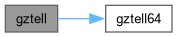
Here is the call graph for this function:
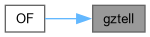
Here is the caller graph for this function:

◆ gztell64()

z_off64_t ZEXPORT gztell64 ( gzFile file)

Definition at line 350 of file gzlib.c.

351{
352 gz_statep state;
353
354 /* get internal structure and check integrity */
355 if (file == NULL)
356 return -1;
357 state = (gz_statep)file;
358 if (state->mode != GZ_READ && state->mode != GZ_WRITE)
359 return -1;
360
361 /* return position */
362 return state->pos + (state->seek ? state->skip : 0);
363}
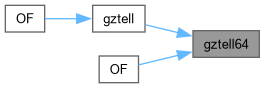
Here is the caller graph for this function:

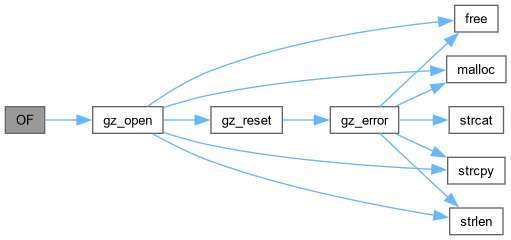
◆ OF() [1/2]

local gzFile gz_open OF ( (const char *, int, const char *) )
Here is the call graph for this function:

◆ OF() [2/2]

local void gz_reset OF ( (gz_statep) )
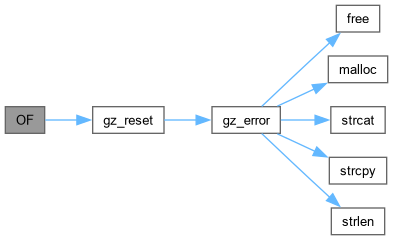
Here is the call graph for this function: