ABC: A System for Sequential Synthesis and Verification
 
Loading...
Searching...
No Matches
gzwrite.c File Reference
#include <stdio.h>
#include <stdlib.h>
#include <string.h>
#include "misc/util/abc_global.h"
#include "gzguts.h"
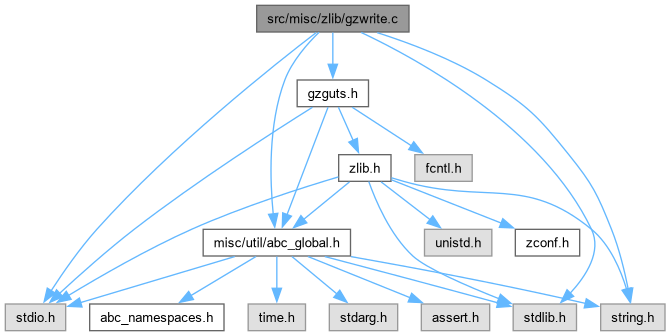
Include dependency graph for gzwrite.c:

Go to the source code of this file.

Functions

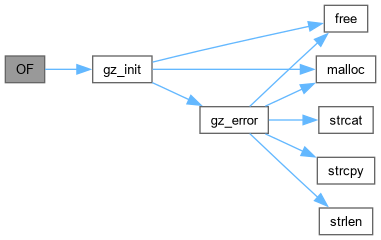
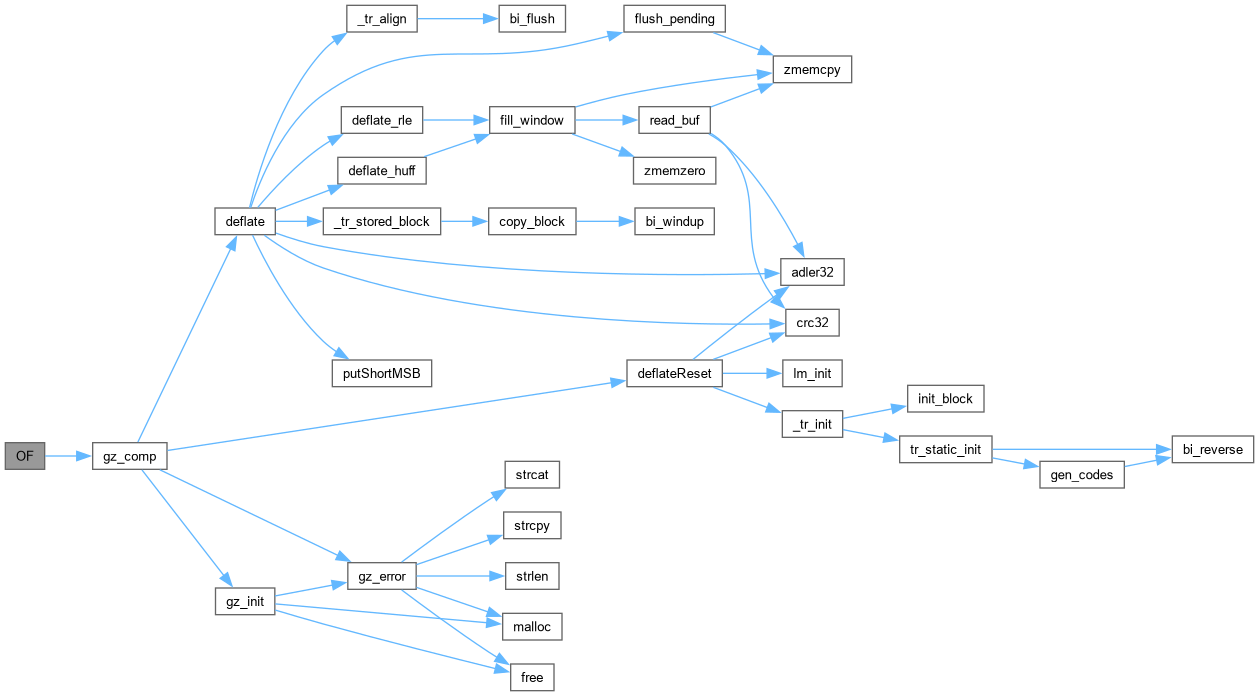
ABC_NAMESPACE_IMPL_START local int gz_init OF ((gz_statep))
 
local int gz_comp OF ((gz_statep, int))
 
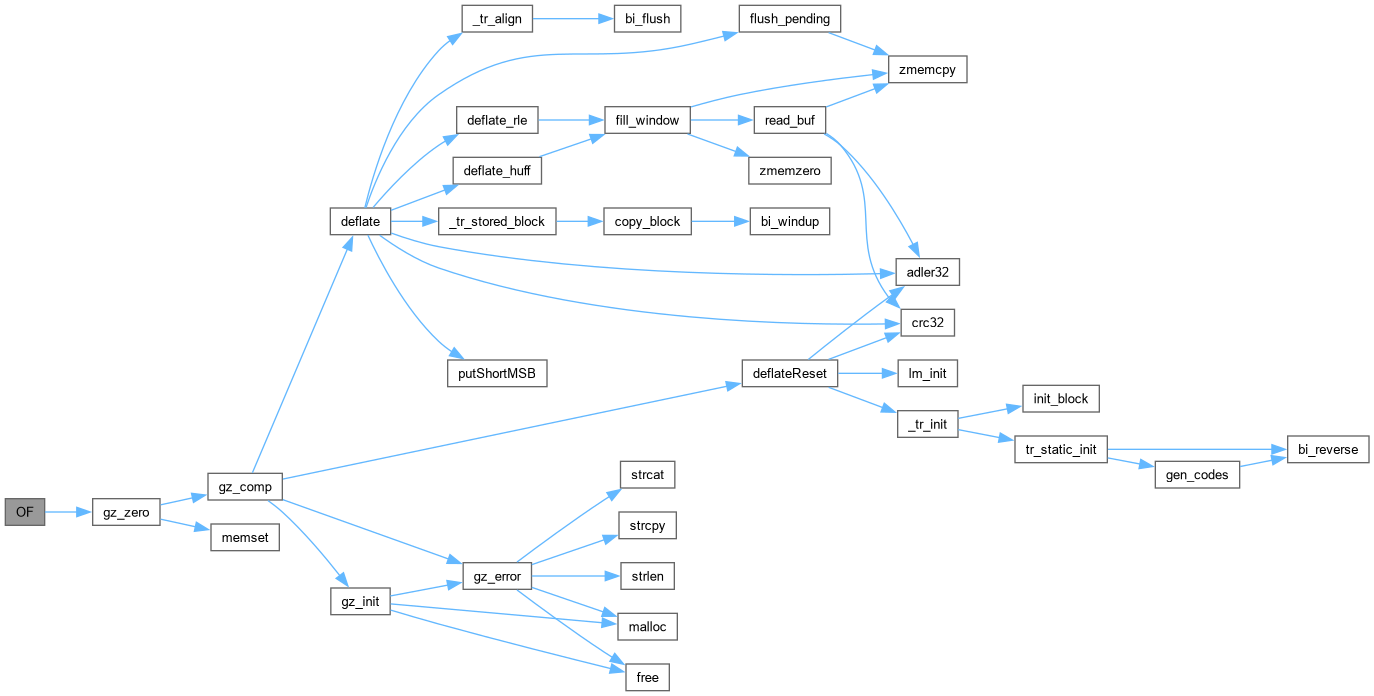
local int gz_zero OF ((gz_statep, z_off64_t))
 
local int gz_init (gz_statep state)
 
local int gz_comp (gz_statep state, int flush)
 
local int gz_zero (gz_statep state, z_off64_t len)
 
int ZEXPORT gzwrite (gzFile file, voidpc buf, unsigned len)
 
int ZEXPORT gzputc (gzFile file, int c)
 
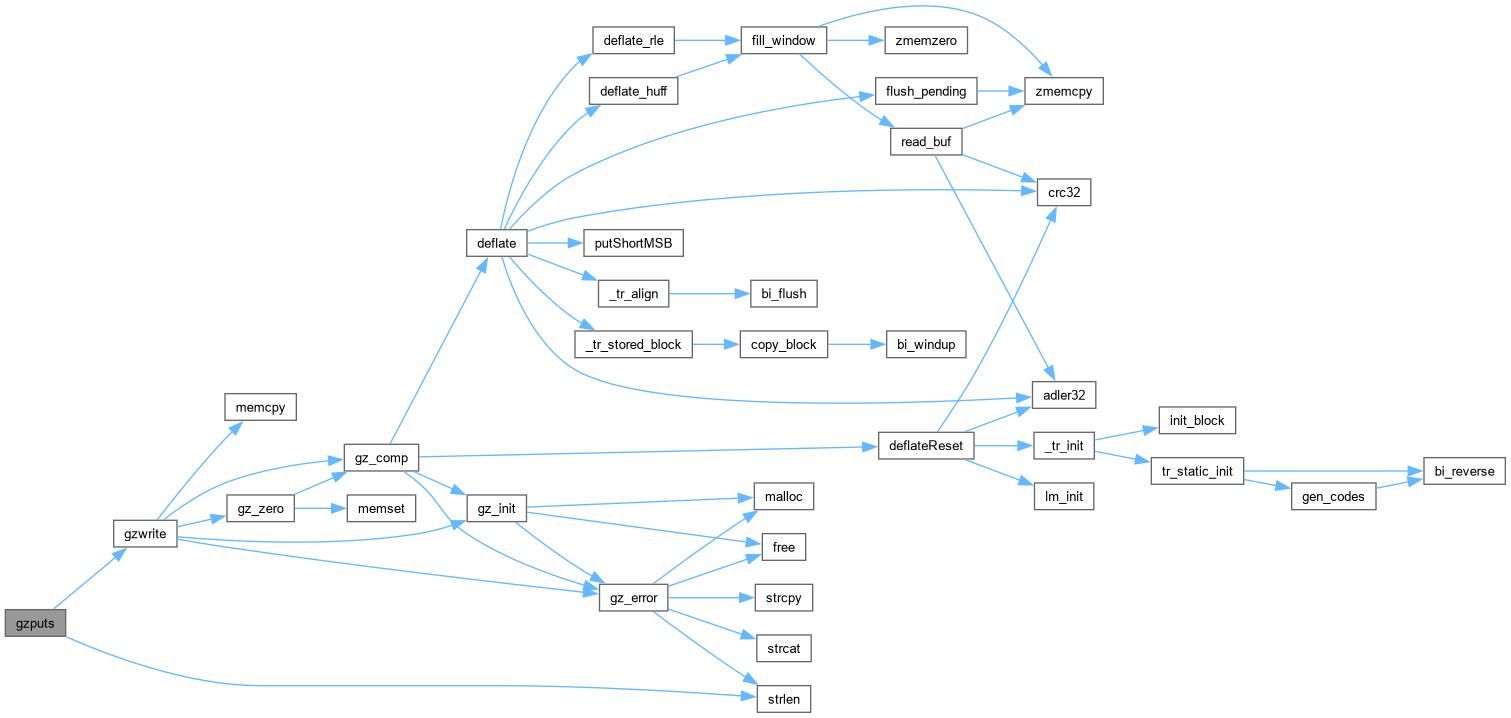
int ZEXPORT gzputs (gzFile file, const char *str)
 
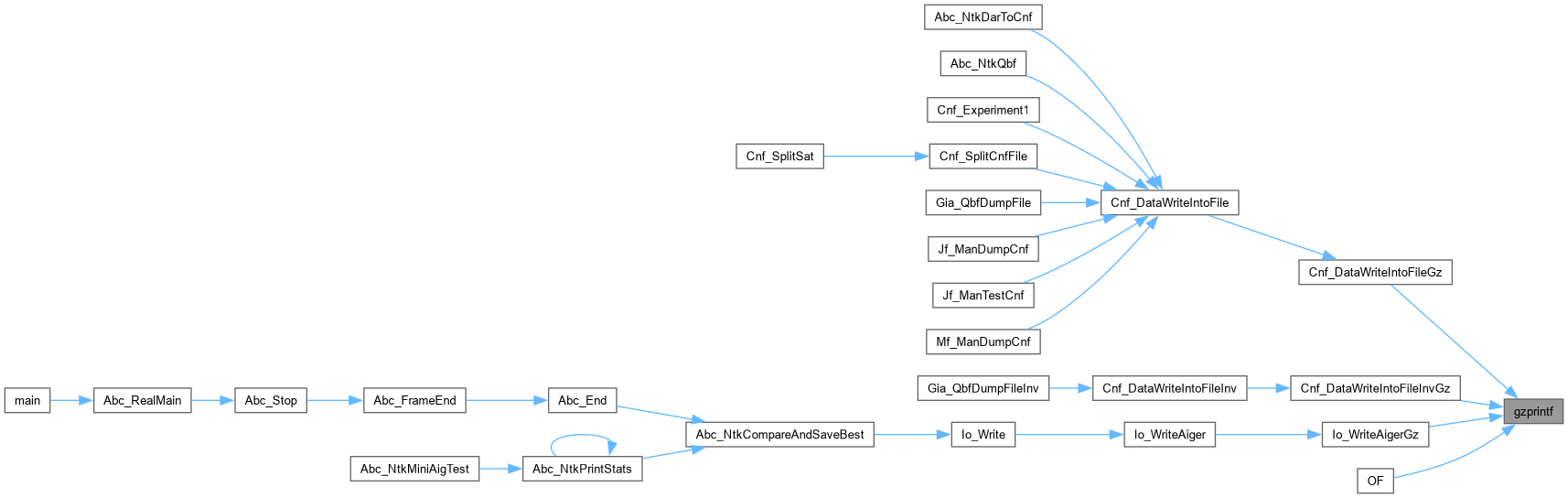
int ZEXPORTVA gzprintf (gzFile file, const char *format, int a1, int a2, int a3, int a4, int a5, int a6, int a7, int a8, int a9, int a10, int a11, int a12, int a13, int a14, int a15, int a16, int a17, int a18, int a19, int a20)
 
int ZEXPORT gzflush (gzFile file, int flush)
 
int ZEXPORT gzsetparams (gzFile file, int level, int strategy)
 
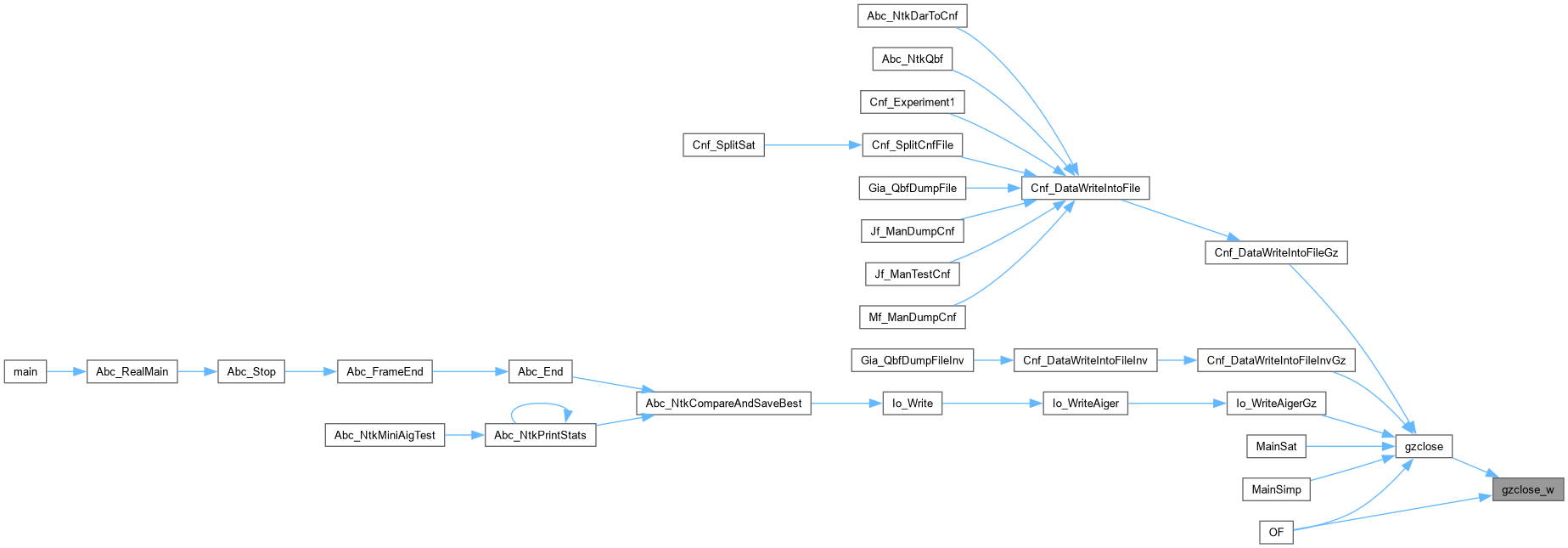
int ZEXPORT gzclose_w (gzFile file)
 

Function Documentation

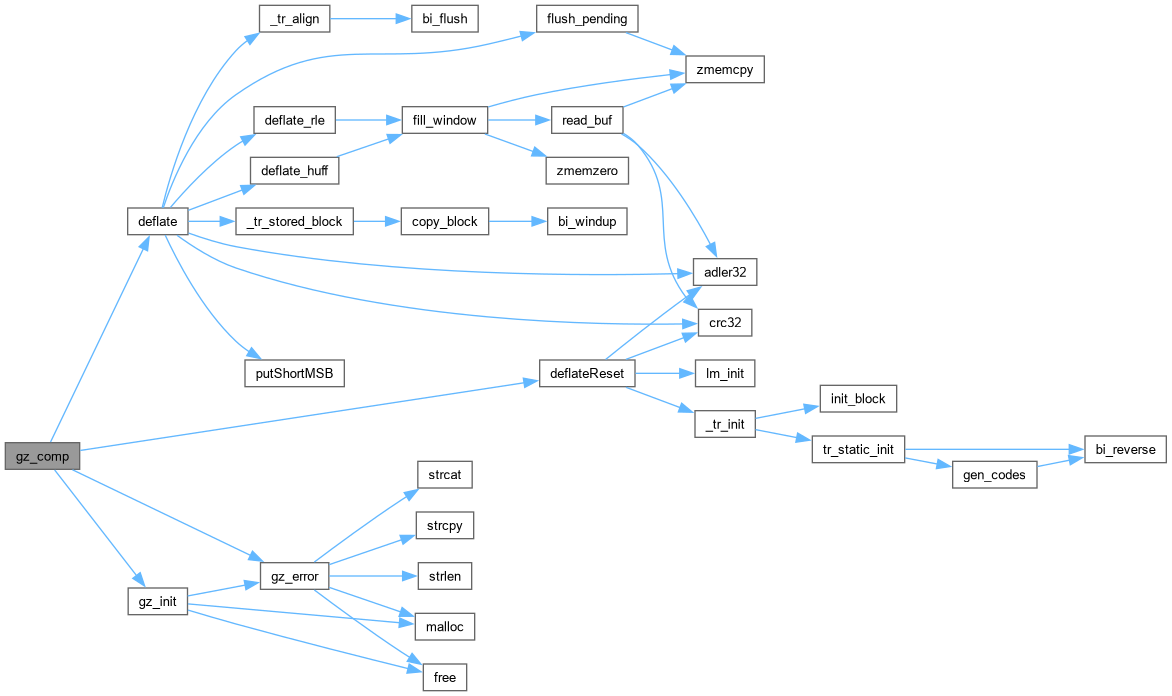
◆ gz_comp()

local int gz_comp ( gz_statep state,
int flush )

Definition at line 65 of file gzwrite.c.
66{
67 int ret, got;
68 unsigned have;
69 z_streamp strm = &(state->strm);
70
71 /* allocate memory if this is the first time through */
72 if (state->size == 0 && gz_init(state) == -1)
73 return -1;
74
75 /* run deflate() on provided input until it produces no more output */
76 ret = Z_OK;
77 do {
78 /* write out current buffer contents if full, or if flushing, but if
79 doing Z_FINISH then don't write until we get to Z_STREAM_END */
80 if (strm->avail_out == 0 || (flush != Z_NO_FLUSH &&
81 (flush != Z_FINISH || ret == Z_STREAM_END))) {
82 have = (unsigned)(strm->next_out - state->next);
83 if (have && ((got = write(state->fd, state->next, have)) < 0 ||
84 (unsigned)got != have)) {
85 gz_error(state, Z_ERRNO, zstrerror());
86 return -1;
87 }
88 if (strm->avail_out == 0) {
89 strm->avail_out = state->size;
90 strm->next_out = state->out;
91 }
92 state->next = strm->next_out;
93 }
94
95 /* compress */
96 have = strm->avail_out;
97 ret = deflate(strm, flush);
98 if (ret == Z_STREAM_ERROR) {
100 "internal error: deflate stream corrupt");
101 return -1;
102 }
103 have -= strm->avail_out;
104 } while (have);
105
106 /* if that completed a deflate stream, allow another to start */
107 if (flush == Z_FINISH)
108 deflateReset(strm);
109
110 /* all done, no errors */
111 return 0;
112}
int ZEXPORT deflateReset(z_streamp strm)
Definition deflate.c:345
int ZEXPORT deflate(z_streamp strm, int flush)
Definition deflate.c:555
#define zstrerror()
Definition gzguts.h:59
void ZLIB_INTERNAL gz_error(gz_statep state, int err, const char *msg)
Definition gzlib.c:464
local int gz_init(gz_statep state)
Definition gzwrite.c:22
#define Z_ERRNO
Definition zlib.h:184
z_stream FAR * z_streamp
Definition zlib.h:114
#define Z_STREAM_END
Definition zlib.h:182
#define Z_FINISH
Definition zlib.h:176
#define Z_OK
Definition zlib.h:181
#define Z_STREAM_ERROR
Definition zlib.h:185
#define Z_NO_FLUSH
Definition zlib.h:172
Here is the call graph for this function:
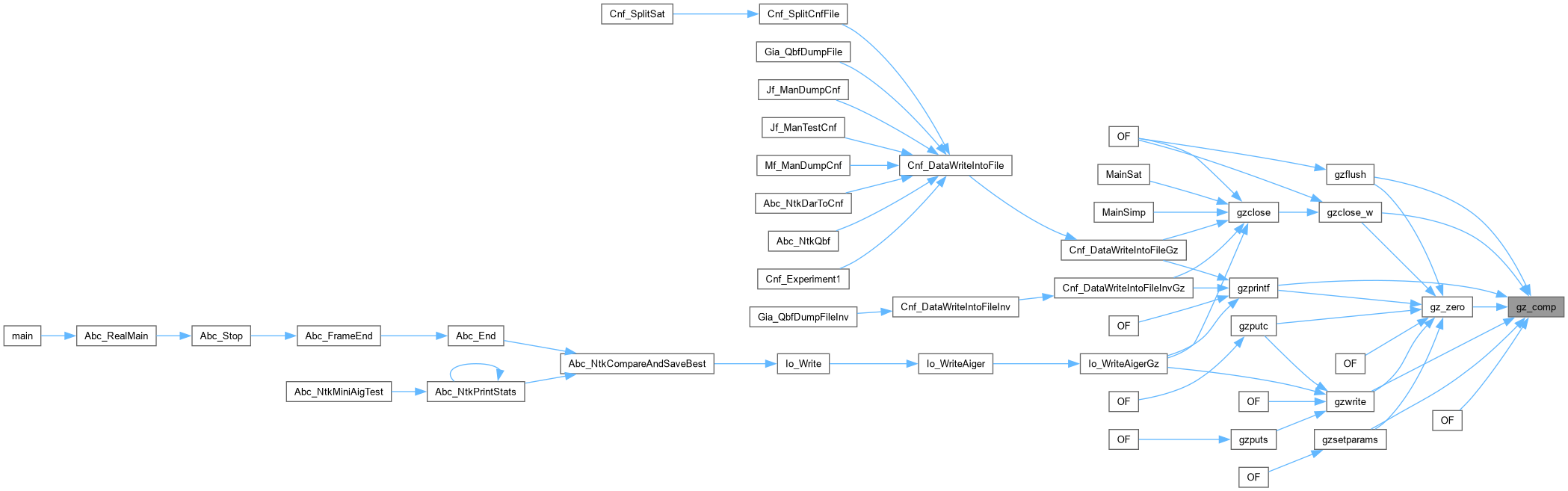
Here is the caller graph for this function:

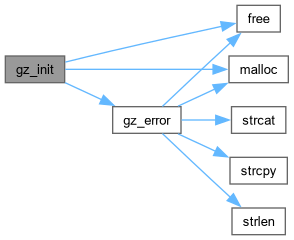
◆ gz_init()

local int gz_init ( gz_statep state)

Definition at line 22 of file gzwrite.c.
23{
24 int ret;
25 z_streamp strm = &(state->strm);
26
27 /* allocate input and output buffers */
28 state->in = (unsigned char *)malloc(state->want);
29 state->out = (unsigned char *)malloc(state->want);
30 if (state->in == NULL || state->out == NULL) {
31 if (state->out != NULL)
32 free(state->out);
33 if (state->in != NULL)
34 free(state->in);
35 gz_error(state, Z_MEM_ERROR, "out of memory");
36 return -1;
37 }
38
39 /* allocate deflate memory, set up for gzip compression */
40 strm->zalloc = Z_NULL;
41 strm->zfree = Z_NULL;
42 strm->opaque = Z_NULL;
43 ret = deflateInit2(strm, state->level, Z_DEFLATED,
44 15 + 16, 8, state->strategy);
45 if (ret != Z_OK) {
46 free(state->in);
47 gz_error(state, Z_MEM_ERROR, "out of memory");
48 return -1;
49 }
50
51 /* mark state as initialized */
52 state->size = state->want;
53
54 /* initialize write buffer */
55 strm->avail_out = state->size;
56 strm->next_out = state->out;
57 state->next = strm->next_out;
58 return 0;
59}
VOID_HACK free()
char * malloc()
#define Z_DEFLATED
Definition zlib.h:213
#define deflateInit2(strm, level, method, windowBits, memLevel, strategy)
Definition zlib.h:1558
#define Z_NULL
Definition zlib.h:216
#define Z_MEM_ERROR
Definition zlib.h:187
Here is the call graph for this function:
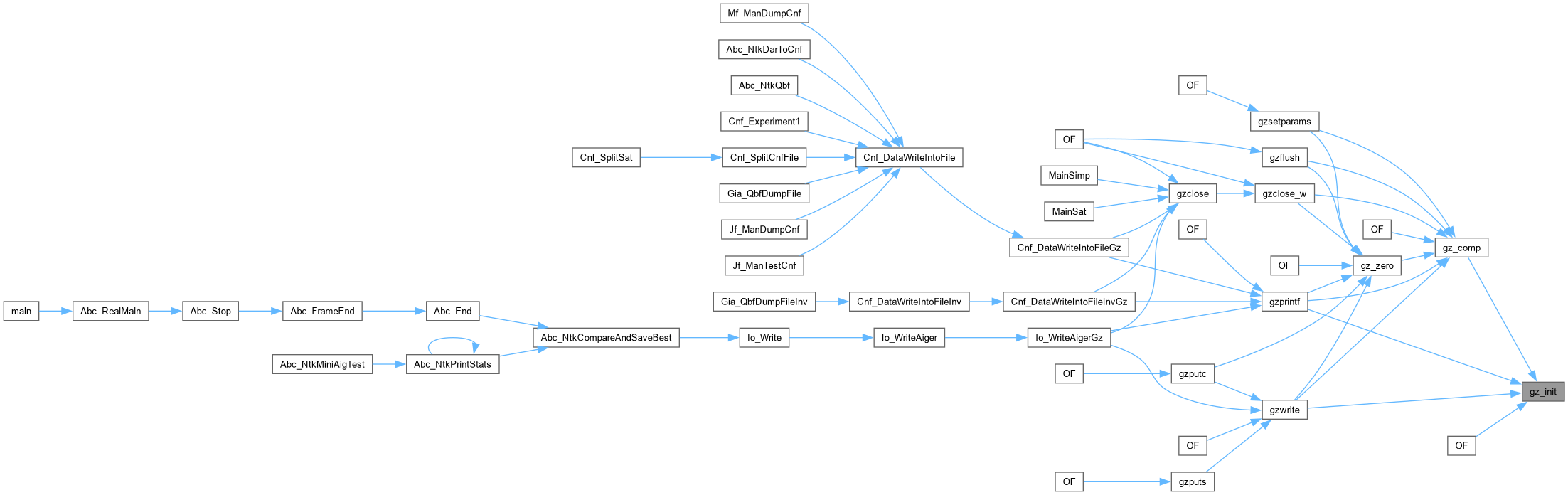
Here is the caller graph for this function:

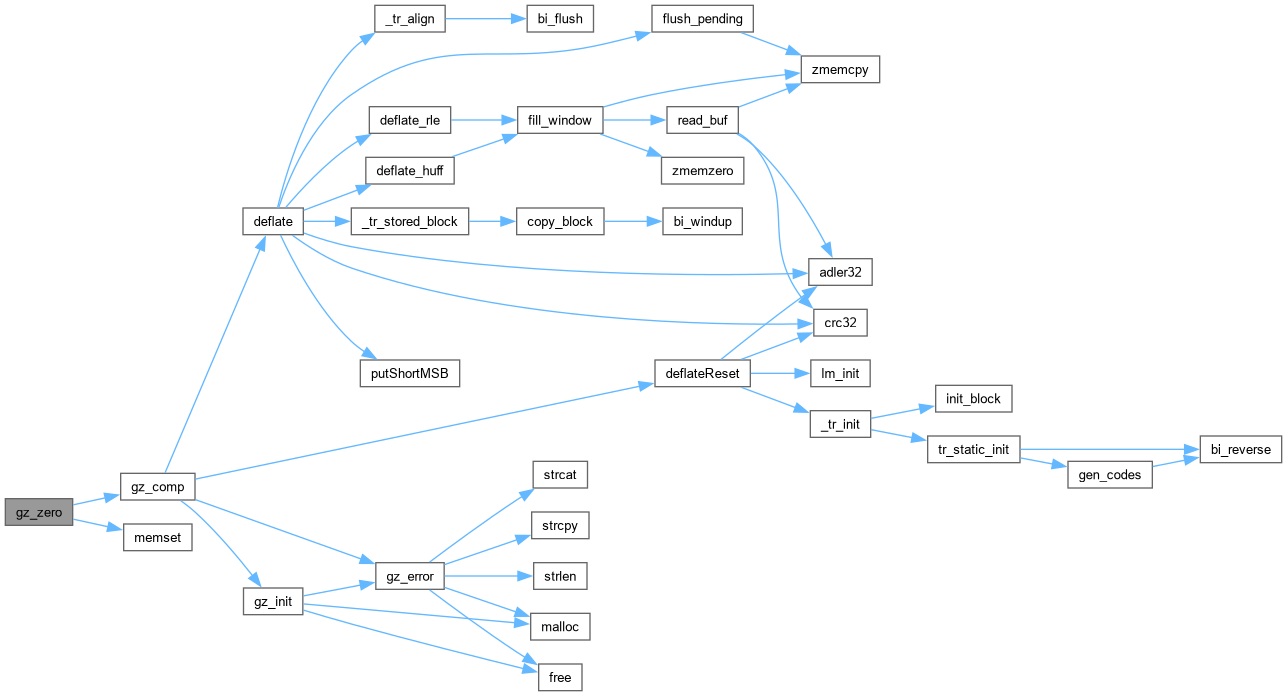
◆ gz_zero()

local int gz_zero ( gz_statep state,
z_off64_t len )

Definition at line 115 of file gzwrite.c.
116{
117 int first;
118 unsigned n;
119 z_streamp strm = &(state->strm);
120
121 /* consume whatever's left in the input buffer */
122 if (strm->avail_in && gz_comp(state, Z_NO_FLUSH) == -1)
123 return -1;
124
125 /* compress len zeros (len guaranteed > 0) */
126 first = 1;
127 while (len) {
128 n = GT_OFF(state->size) || (z_off64_t)state->size > len ?
129 (unsigned)len : state->size;
130 if (first) {
131 memset(state->in, 0, (size_t)n);
132 first = 0;
133 }
134 strm->avail_in = n;
135 strm->next_in = state->in;
136 state->pos += n;
137 if (gz_comp(state, Z_NO_FLUSH) == -1)
138 return -1;
139 len -= n;
140 }
141 return 0;
142}
#define GT_OFF(x)
Definition gzguts.h:144
local int gz_comp(gz_statep state, int flush)
Definition gzwrite.c:65
char * memset()
#define z_off64_t
Definition zconf.h:402
Here is the call graph for this function:
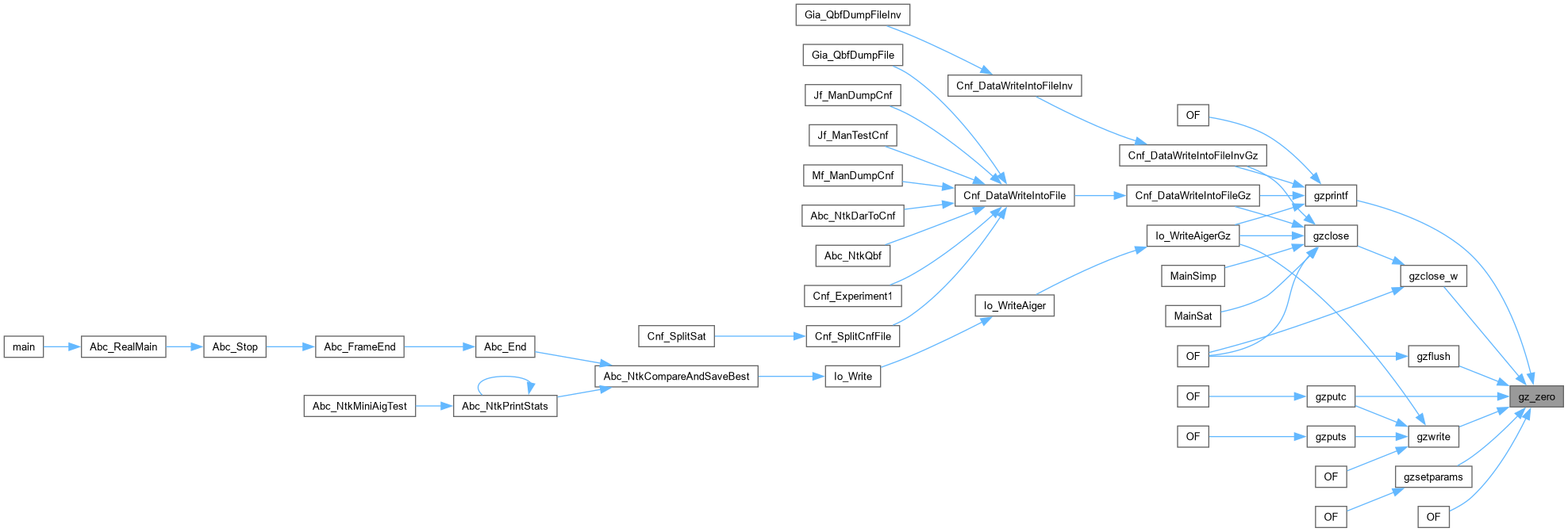
Here is the caller graph for this function:

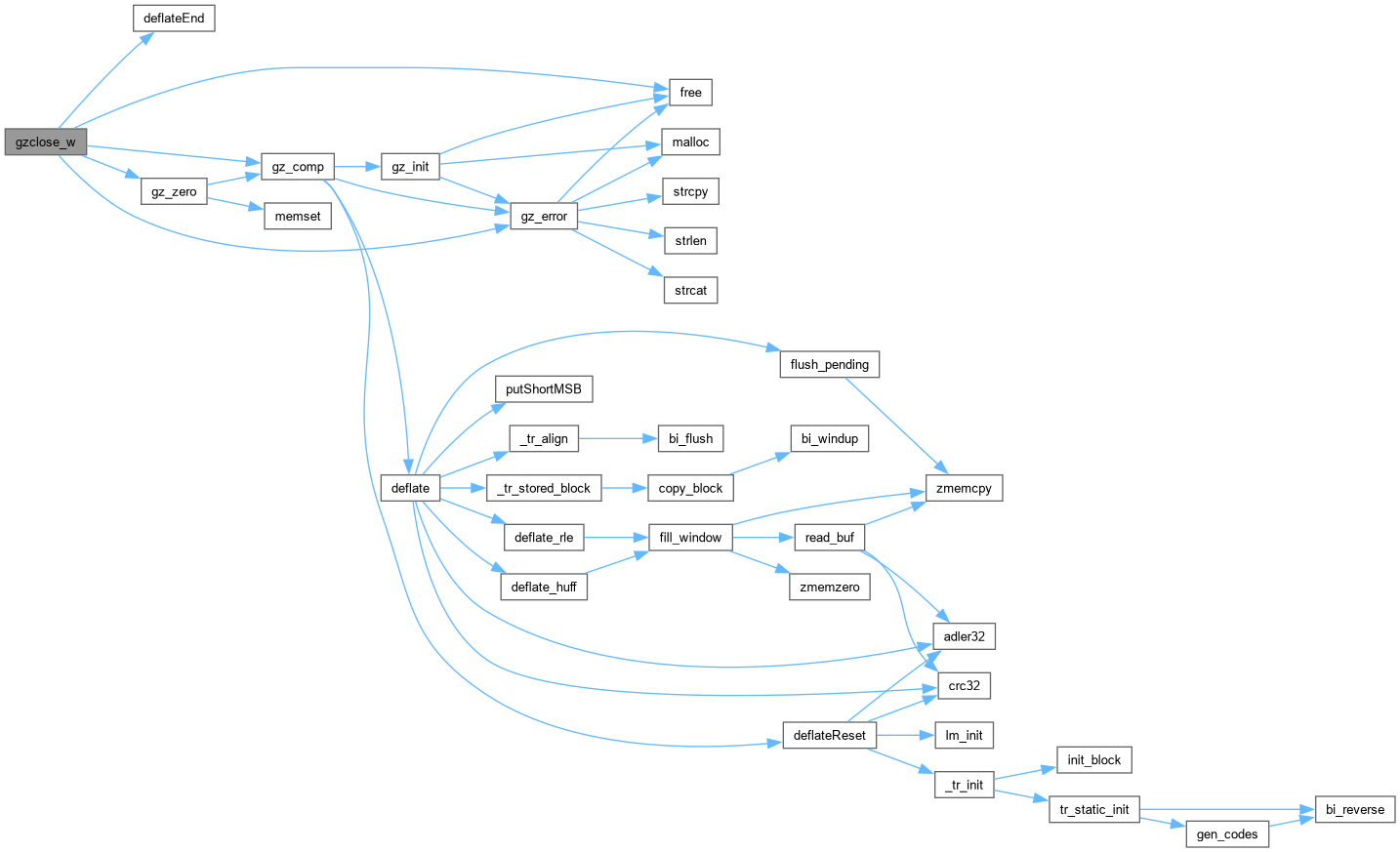
◆ gzclose_w()

int ZEXPORT gzclose_w ( gzFile file)

Definition at line 486 of file gzwrite.c.
487{
488 int ret = 0;
489 gz_statep state;
490
491 /* get internal structure */
492 if (file == NULL)
493 return Z_STREAM_ERROR;
494 state = (gz_statep)file;
495
496 /* check that we're writing */
497 if (state->mode != GZ_WRITE)
498 return Z_STREAM_ERROR;
499
500 /* check for seek request */
501 if (state->seek) {
502 state->seek = 0;
503 ret += gz_zero(state, state->skip);
504 }
505
506 /* flush, free memory, and close file */
507 ret += gz_comp(state, Z_FINISH);
508 (void)deflateEnd(&(state->strm));
509 free(state->out);
510 free(state->in);
511 gz_error(state, Z_OK, NULL);
512 free(state->path);
513 ret += close(state->fd);
514 free(state);
515 return ret ? Z_ERRNO : Z_OK;
516}
int ZEXPORT deflateEnd(z_streamp strm)
Definition deflate.c:866
gz_state FAR * gz_statep
Definition gzguts.h:129
#define GZ_WRITE
Definition gzguts.h:90
local int gz_zero(gz_statep state, z_off64_t len)
Definition gzwrite.c:115
Definition file.h:23
Here is the call graph for this function:
Here is the caller graph for this function:

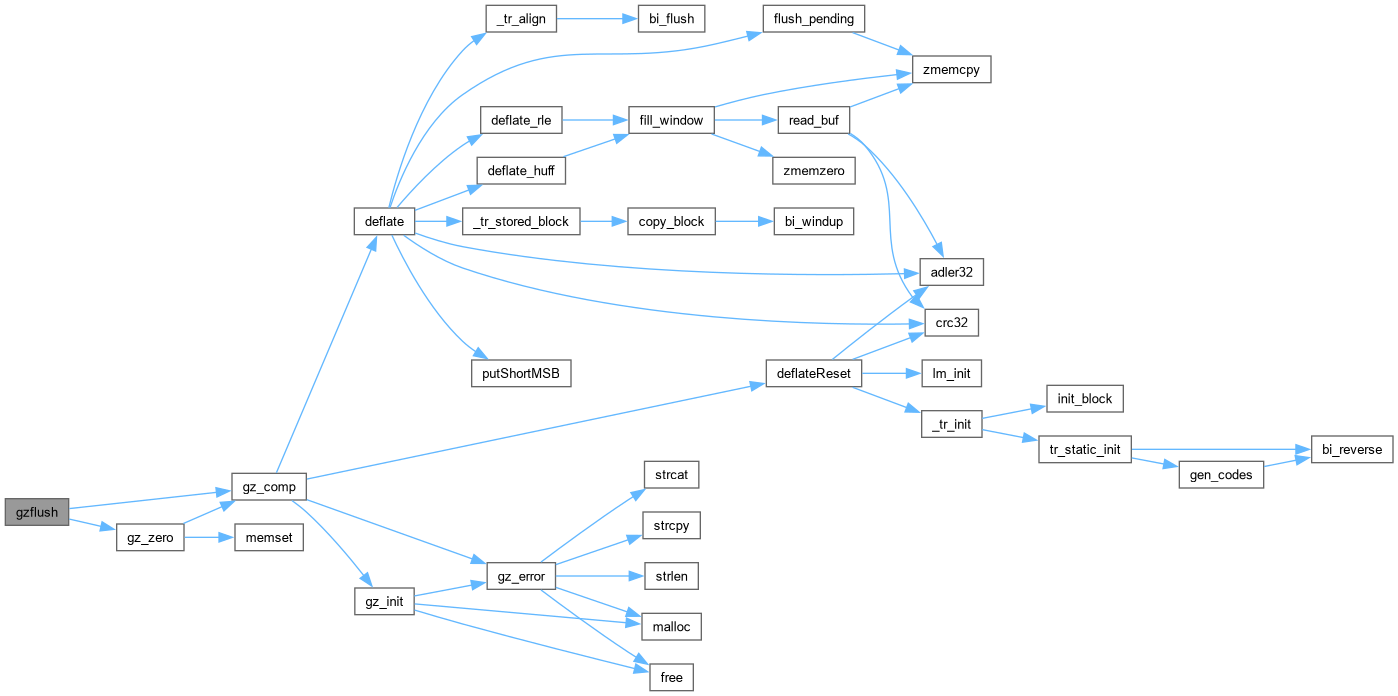
◆ gzflush()

int ZEXPORT gzflush ( gzFile file,
int flush )

Definition at line 417 of file gzwrite.c.
418{
419 gz_statep state;
420
421 /* get internal structure */
422 if (file == NULL)
423 return -1;
424 state = (gz_statep)file;
425
426 /* check that we're writing and that there's no error */
427 if (state->mode != GZ_WRITE || state->err != Z_OK)
428 return Z_STREAM_ERROR;
429
430 /* check flush parameter */
431 if (flush < 0 || flush > Z_FINISH)
432 return Z_STREAM_ERROR;
433
434 /* check for seek request */
435 if (state->seek) {
436 state->seek = 0;
437 if (gz_zero(state, state->skip) == -1)
438 return -1;
439 }
440
441 /* compress remaining data with requested flush */
442 gz_comp(state, flush);
443 return state->err;
444}
Here is the call graph for this function:
Here is the caller graph for this function:

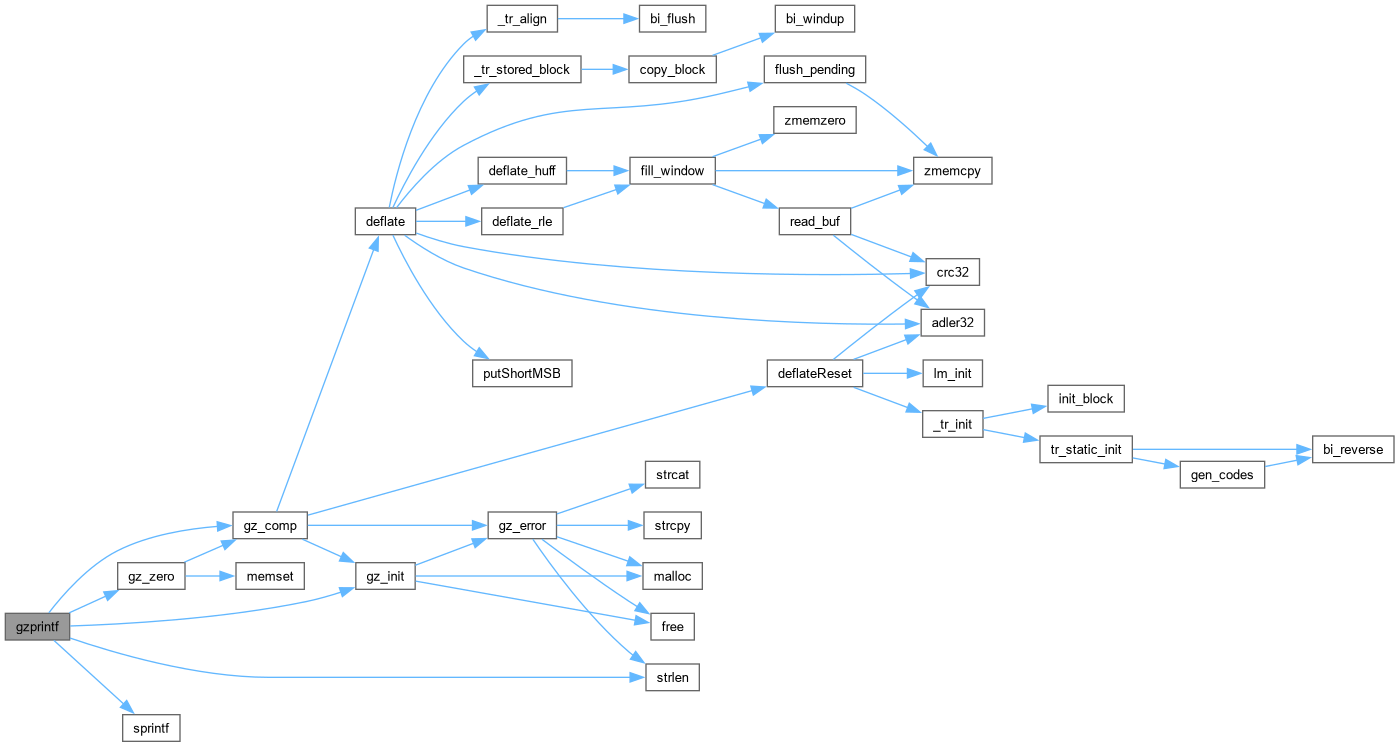
◆ gzprintf()

int ZEXPORTVA gzprintf ( gzFile file,
const char * format,
int a1,
int a2,
int a3,
int a4,
int a5,
int a6,
int a7,
int a8,
int a9,
int a10,
int a11,
int a12,
int a13,
int a14,
int a15,
int a16,
int a17,
int a18,
int a19,
int a20 )

Definition at line 347 of file gzwrite.c.
349{
350 int size, len;
351 gz_statep state;
352 z_streamp strm;
353
354 /* get internal structure */
355 if (file == NULL)
356 return -1;
357 state = (gz_statep)file;
358 strm = &(state->strm);
359
360 /* check that we're writing and that there's no error */
361 if (state->mode != GZ_WRITE || state->err != Z_OK)
362 return 0;
363
364 /* make sure we have some buffer space */
365 if (state->size == 0 && gz_init(state) == -1)
366 return 0;
367
368 /* check for seek request */
369 if (state->seek) {
370 state->seek = 0;
371 if (gz_zero(state, state->skip) == -1)
372 return 0;
373 }
374
375 /* consume whatever's left in the input buffer */
376 if (strm->avail_in && gz_comp(state, Z_NO_FLUSH) == -1)
377 return 0;
378
379 /* do the printf() into the input buffer, put length in len */
380 size = (int)(state->size);
381 state->in[size - 1] = 0;
382#ifdef NO_snprintf
383# ifdef HAS_sprintf_void
384 sprintf(state->in, format, a1, a2, a3, a4, a5, a6, a7, a8,
385 a9, a10, a11, a12, a13, a14, a15, a16, a17, a18, a19, a20);
386 for (len = 0; len < size; len++)
387 if (state->in[len] == 0) break;
388# else
389 len = sprintf(state->in, format, a1, a2, a3, a4, a5, a6, a7, a8,
390 a9, a10, a11, a12, a13, a14, a15, a16, a17, a18, a19, a20);
391# endif
392#else
393# ifdef HAS_snprintf_void
394 snprintf(state->in, size, format, a1, a2, a3, a4, a5, a6, a7, a8,
395 a9, a10, a11, a12, a13, a14, a15, a16, a17, a18, a19, a20);
396 len = strlen(state->in);
397# else
398 len = snprintf(state->in, size, format, a1, a2, a3, a4, a5, a6, a7, a8,
399 a9, a10, a11, a12, a13, a14, a15, a16, a17, a18, a19, a20);
400# endif
401#endif
402
403 /* check that printf() results fit in buffer */
404 if (len <= 0 || len >= (int)size || state->in[size - 1] != 0)
405 return 0;
406
407 /* update buffer and position, defer compression until needed */
408 strm->avail_in = (unsigned)len;
409 strm->next_in = state->in;
410 state->pos += len;
411 return len;
412}
#define a1
Definition extraBdd.h:80
unsigned long long size
Definition giaNewBdd.h:39
int strlen()
char * sprintf()
Here is the call graph for this function:
Here is the caller graph for this function:

◆ gzputc()

int ZEXPORT gzputc ( gzFile file,
int c )

Definition at line 220 of file gzwrite.c.
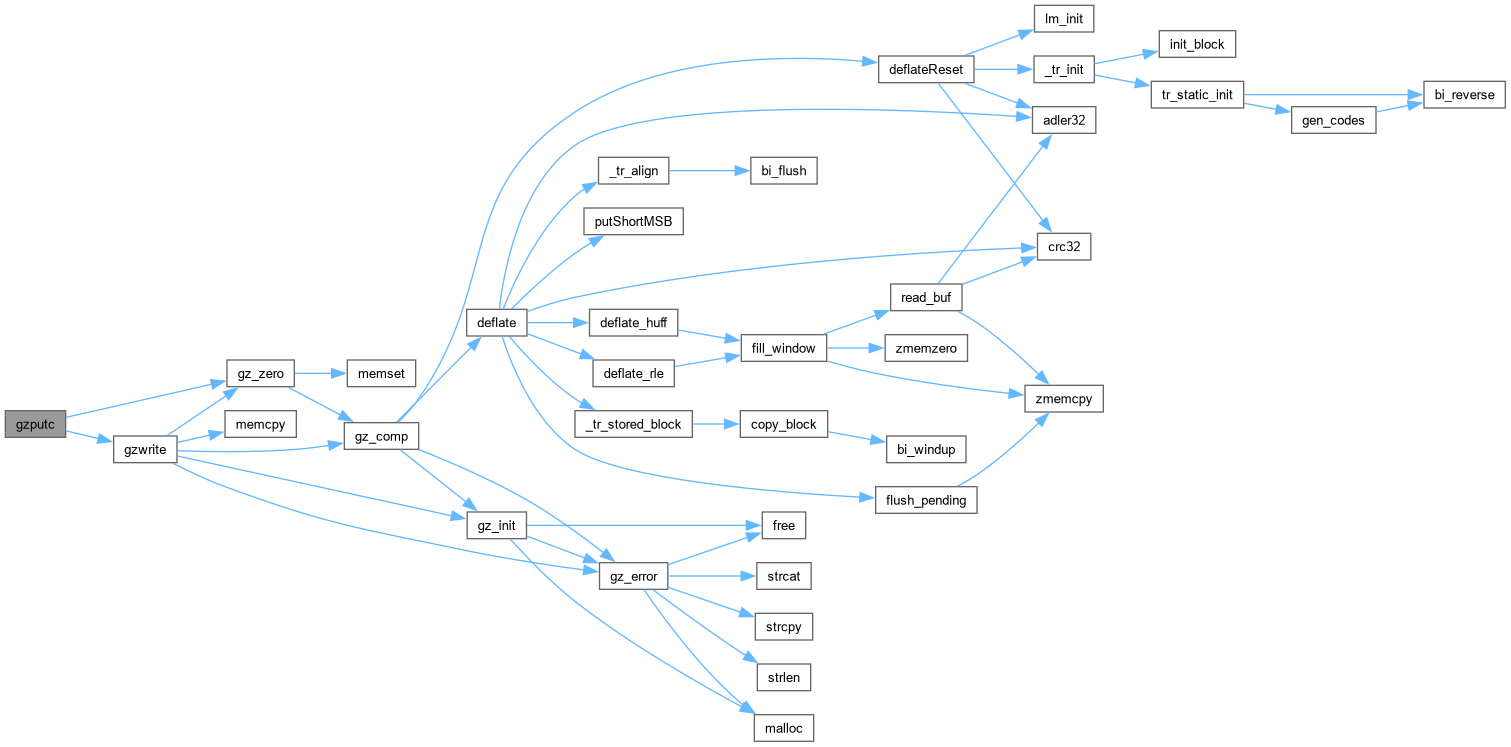
221{
222 unsigned char buf[1];
223 gz_statep state;
224 z_streamp strm;
225
226 /* get internal structure */
227 if (file == NULL)
228 return -1;
229 state = (gz_statep)file;
230 strm = &(state->strm);
231
232 /* check that we're writing and that there's no error */
233 if (state->mode != GZ_WRITE || state->err != Z_OK)
234 return -1;
235
236 /* check for seek request */
237 if (state->seek) {
238 state->seek = 0;
239 if (gz_zero(state, state->skip) == -1)
240 return -1;
241 }
242
243 /* try writing to input buffer for speed (state->size == 0 if buffer not
244 initialized) */
245 if (strm->avail_in < state->size) {
246 if (strm->avail_in == 0)
247 strm->next_in = state->in;
248 strm->next_in[strm->avail_in++] = c;
249 state->pos++;
250 return c;
251 }
252
253 /* no room in buffer or not initialized, use gz_write() */
254 buf[0] = c;
255 if (gzwrite(file, buf, 1) != 1)
256 return -1;
257 return c;
258}
int ZEXPORT gzwrite(gzFile file, voidpc buf, unsigned len)
Definition gzwrite.c:145
Here is the call graph for this function:
Here is the caller graph for this function:

◆ gzputs()

int ZEXPORT gzputs ( gzFile file,
const char * str )

Definition at line 261 of file gzwrite.c.

262{
263 int ret;
264 unsigned len;
265
266 /* write string */
267 len = (unsigned)strlen(str);
268 ret = gzwrite(file, str, len);
269 return ret == 0 && len != 0 ? -1 : ret;
270}
Here is the call graph for this function:
Here is the caller graph for this function:

◆ gzsetparams()

int ZEXPORT gzsetparams ( gzFile file,
int level,
int strategy )

Definition at line 447 of file gzwrite.c.
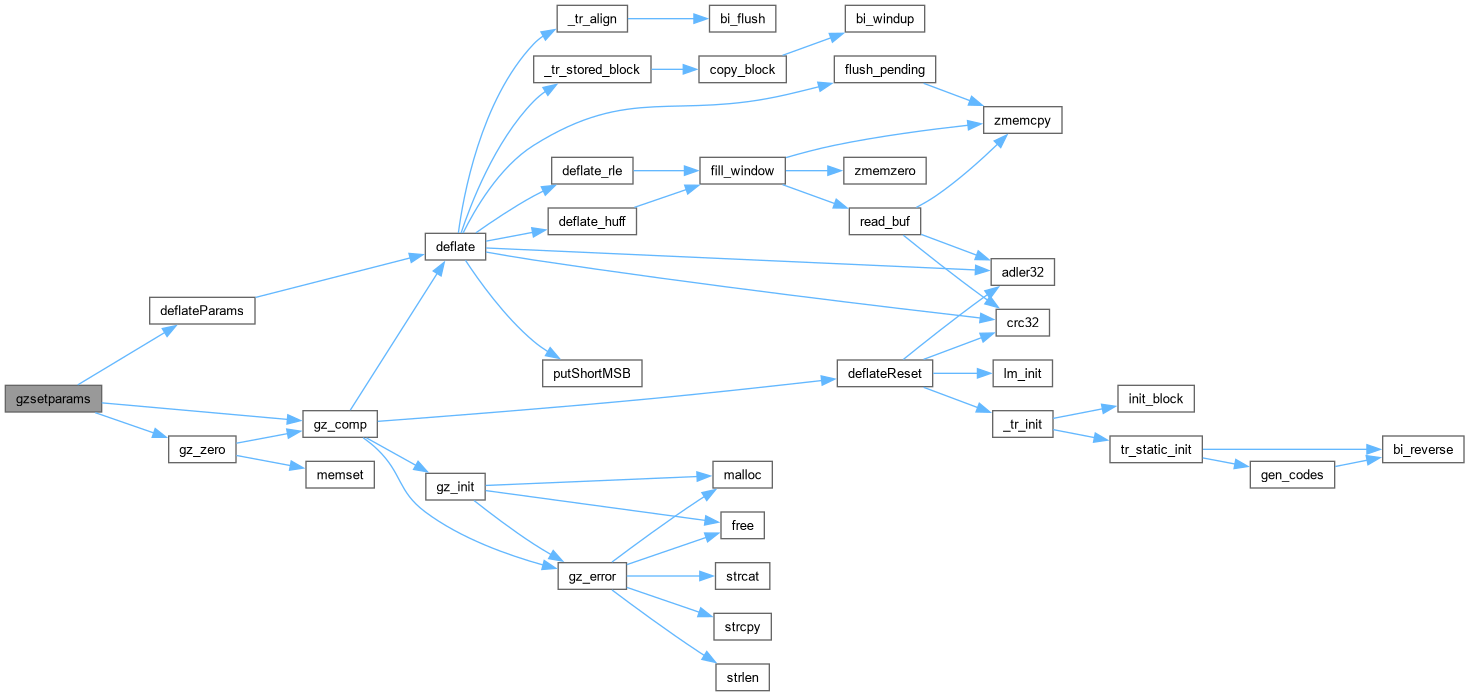
448{
449 gz_statep state;
450 z_streamp strm;
451
452 /* get internal structure */
453 if (file == NULL)
454 return Z_STREAM_ERROR;
455 state = (gz_statep)file;
456 strm = &(state->strm);
457
458 /* check that we're writing and that there's no error */
459 if (state->mode != GZ_WRITE || state->err != Z_OK)
460 return Z_STREAM_ERROR;
461
462 /* if no change is requested, then do nothing */
463 if (level == state->level && strategy == state->strategy)
464 return Z_OK;
465
466 /* check for seek request */
467 if (state->seek) {
468 state->seek = 0;
469 if (gz_zero(state, state->skip) == -1)
470 return -1;
471 }
472
473 /* change compression parameters for subsequent input */
474 if (state->size) {
475 /* flush previous input with previous parameters before changing */
476 if (strm->avail_in && gz_comp(state, Z_PARTIAL_FLUSH) == -1)
477 return state->err;
478 deflateParams(strm, level, strategy);
479 }
480 state->level = level;
481 state->strategy = strategy;
482 return Z_OK;
483}
int ZEXPORT deflateParams(z_streamp strm, int level, int strategy)
Definition deflate.c:398
#define Z_PARTIAL_FLUSH
Definition zlib.h:173
Here is the call graph for this function:
Here is the caller graph for this function:

◆ gzwrite()

int ZEXPORT gzwrite ( gzFile file,
voidpc buf,
unsigned len )

Definition at line 145 of file gzwrite.c.
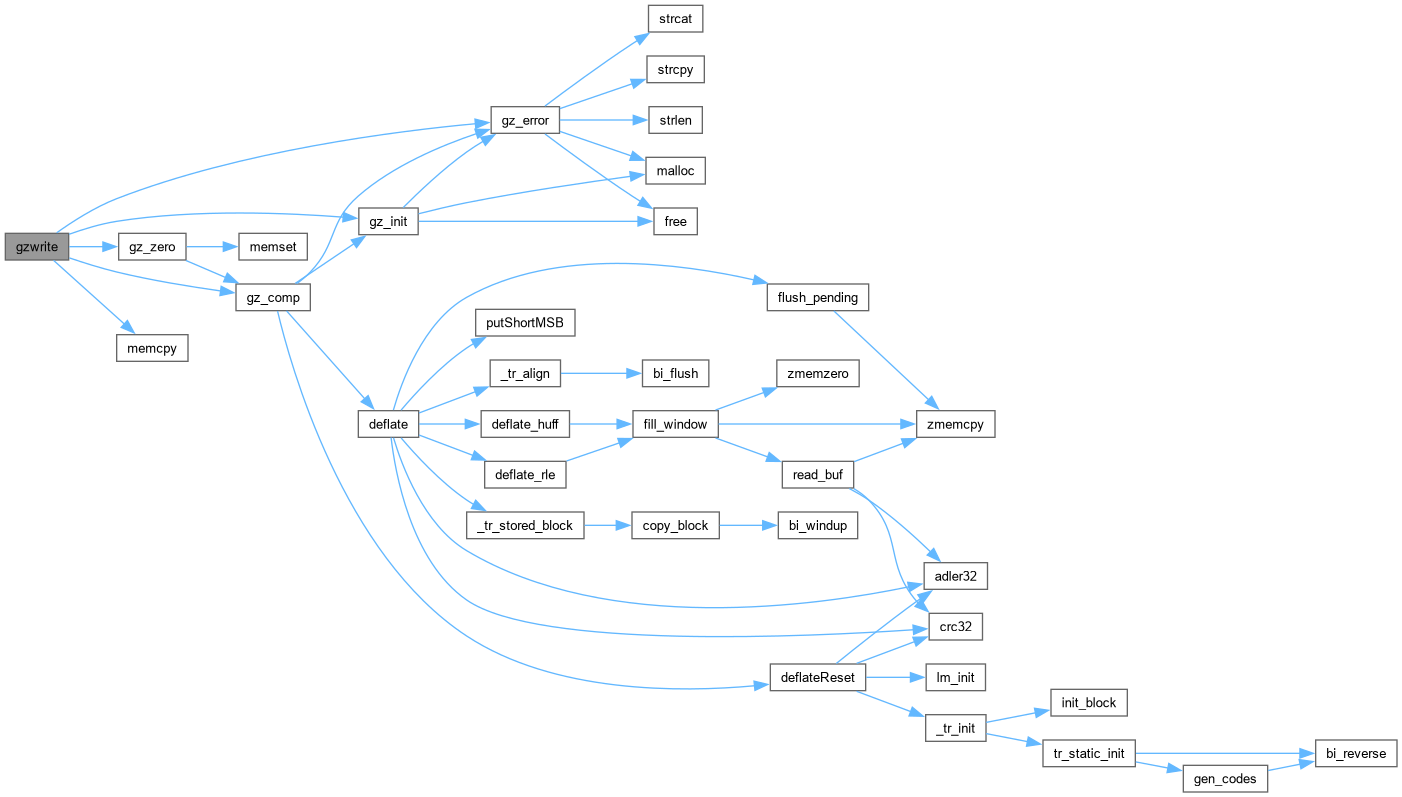
146{
147 unsigned put = len;
148 unsigned n;
149 gz_statep state;
150 z_streamp strm;
151
152 /* get internal structure */
153 if (file == NULL)
154 return 0;
155 state = (gz_statep)file;
156 strm = &(state->strm);
157
158 /* check that we're writing and that there's no error */
159 if (state->mode != GZ_WRITE || state->err != Z_OK)
160 return 0;
161
162 /* since an int is returned, make sure len fits in one, otherwise return
163 with an error (this avoids the flaw in the interface) */
164 if ((int)len < 0) {
165 gz_error(state, Z_BUF_ERROR, "requested length does not fit in int");
166 return 0;
167 }
168
169 /* if len is zero, avoid unnecessary operations */
170 if (len == 0)
171 return 0;
172
173 /* allocate memory if this is the first time through */
174 if (state->size == 0 && gz_init(state) == -1)
175 return 0;
176
177 /* check for seek request */
178 if (state->seek) {
179 state->seek = 0;
180 if (gz_zero(state, state->skip) == -1)
181 return 0;
182 }
183
184 /* for small len, copy to input buffer, otherwise compress directly */
185 if (len < state->size) {
186 /* copy to input buffer, compress when full */
187 do {
188 if (strm->avail_in == 0)
189 strm->next_in = state->in;
190 n = state->size - strm->avail_in;
191 if (n > len)
192 n = len;
193 memcpy(strm->next_in + strm->avail_in, buf, n);
194 strm->avail_in += n;
195 state->pos += n;
196 buf = (char *)buf + n;
197 len -= n;
198 if (len && gz_comp(state, Z_NO_FLUSH) == -1)
199 return 0;
200 } while (len);
201 }
202 else {
203 /* consume whatever's left in the input buffer */
204 if (strm->avail_in && gz_comp(state, Z_NO_FLUSH) == -1)
205 return 0;
206
207 /* directly compress user buffer to file */
208 strm->avail_in = len;
209 strm->next_in = (unsigned char *)(voidp)buf;
210 state->pos += len;
211 if (gz_comp(state, Z_NO_FLUSH) == -1)
212 return 0;
213 }
214
215 /* input was all buffered or compressed (put will fit in int) */
216 return (int)put;
217}
char * memcpy()
Byte * voidp
Definition zconf.h:356
#define Z_BUF_ERROR
Definition zlib.h:188
Here is the call graph for this function:
Here is the caller graph for this function:

◆ OF() [1/3]

Here is the call graph for this function:

◆ OF() [2/3]

local int gz_comp OF ( (gz_statep, int) )
Here is the call graph for this function:

◆ OF() [3/3]

Here is the call graph for this function: